

Your credit score can influence many important financial decisions, from qualifying for a loan to getting approved for a credit card with better benefits. While improving your credit score takes time, the good news is that small, consistent actions can make a meaningful difference.
Many people believe they need a perfect credit history to achieve a high score. In reality, building good credit is about developing responsible financial habits and maintaining them over time.
This guide explains practical steps you can take to improve your credit score and strengthen your overall financial health.
Why Improving Your Credit Score Matters
A stronger credit score can help you:
- Qualify for better credit cards.
- Receive lower interest rates on loans.
- Improve your chances of loan approval.
- Access higher credit limits.
- Build long term financial confidence.
Good credit can also save you money by reducing the cost of borrowing over time.
12 Practical Tips to Improve Your Credit Score
1. Pay Every Bill on Time
Your payment history is one of the most important parts of your credit profile.
Even one missed payment can have a negative impact.
Set up automatic payments or reminders to avoid late payments.
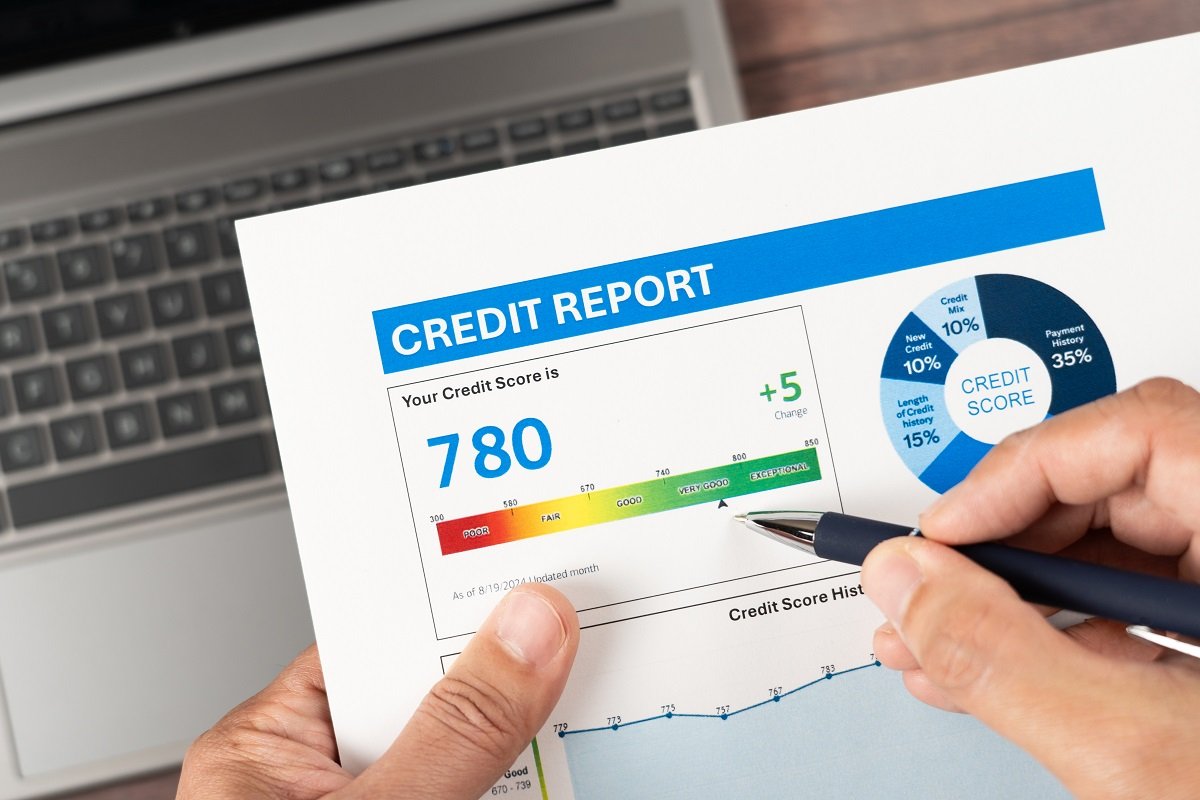
2. Keep Credit Utilization Low
Credit utilization is the percentage of your available credit that you are using.
Many financial experts suggest keeping your utilization below 30 percent, and even lower when possible.
3. Review Your Credit Report Regularly
Check your credit report for errors such as incorrect balances, duplicate accounts, or fraudulent activity.
Report any inaccuracies as soon as possible.
4. Avoid Applying for Too Much Credit
Submitting several credit applications within a short period may temporarily affect your credit score.
Only apply when you genuinely need new credit.
5. Keep Older Credit Accounts Open
Long standing accounts contribute to your credit history.
Closing older accounts without a good reason may reduce the average age of your credit history.
6. Reduce Outstanding Debt
Pay down existing balances whenever possible.
Lower debt levels can improve both your financial position and your credit profile.
7. Make More Than the Minimum Payment
If your budget allows, paying more than the minimum amount can help reduce debt faster and lower interest costs.
8. Build a Realistic Budget
A monthly budget helps ensure you have enough money available for payments and other financial goals.
Planning ahead reduces the risk of missed payments.
9. Create an Emergency Fund
Unexpected expenses can lead to missed payments if you are unprepared.
An emergency fund provides a financial cushion during difficult times.
10. Monitor Your Credit Progress
Many financial institutions and personal finance apps allow you to monitor your credit score regularly.
Tracking your progress can help you stay motivated.
11. Use Credit Responsibly
Only borrow what you can comfortably repay.
Responsible borrowing demonstrates financial reliability over time.
12. Be Patient
Credit improvement is rarely immediate.
Consistent positive financial habits usually produce better long term results than quick fixes.
Common Mistakes That Can Hurt Your Credit Score
Avoid these common mistakes:
• Missing payment deadlines.
• Maxing out your credit cards.
• Applying for unnecessary credit.
• Ignoring your credit report.
• Closing old accounts without considering the impact.
• Borrowing beyond your budget.
Healthy Credit Habits for the Future
Improving your credit score is only the beginning.
Maintain your progress by:
• Paying bills on time.
• Reviewing your finances each month.
• Keeping spending under control.
• Updating your budget as your income changes.
• Avoiding unnecessary debt.
These habits support both your credit profile and your overall financial well being.
Final Thoughts
Building a strong credit score is a long term process, not a short term goal.
Focus on responsible borrowing, timely payments, and careful financial planning. As your habits improve, your credit profile can become stronger and open the door to better financial opportunities in the future.
Frequently Asked Questions
How long does it take to improve a credit score?
The timeline depends on your credit history and financial habits. Positive changes often take several months to appear.
What is the fastest way to improve a credit score?
Paying bills on time, reducing credit card balances, and correcting errors on your credit report are among the most effective steps.
Does paying off debt improve my credit score?
Reducing debt can improve your credit utilization and strengthen your overall credit profile over time.
Should I close old credit cards I no longer use?
Keeping older accounts open may help maintain a longer credit history, provided they do not have high annual fees or create financial challenges.
How often should I check my credit report?
Reviewing your credit report at least once a year, or more frequently if available, can help you identify errors and monitor your progress.
Can missed payments be removed from my credit report?
Accurate missed payments generally remain on your credit report for a period defined by local credit reporting rules. Incorrect information should be disputed with the appropriate credit reporting agency.
Does income affect my credit score?
Income itself is generally not a direct factor in most credit scoring models. Your payment history and credit management are usually more important.
Can I improve my credit score without taking on new debt?
Yes. Paying existing obligations on time and managing your current credit responsibly can improve your credit profile without borrowing more.