

A credit score is one of the most important numbers in your financial life. It can affect your ability to borrow money, qualify for a credit card, rent a home, or even receive better interest rates on loans.
Many people do not think about their credit score until they apply for credit. Understanding how it works before you need it can help you make smarter financial decisions and avoid costly mistakes.
This guide explains what a credit score is, why it matters, how it is calculated, and simple ways to improve it over time.
What Is a Credit Score?
A credit score is a number that represents how responsibly you have managed credit in the past.
Lenders use this score to estimate the likelihood that you will repay borrowed money on time.
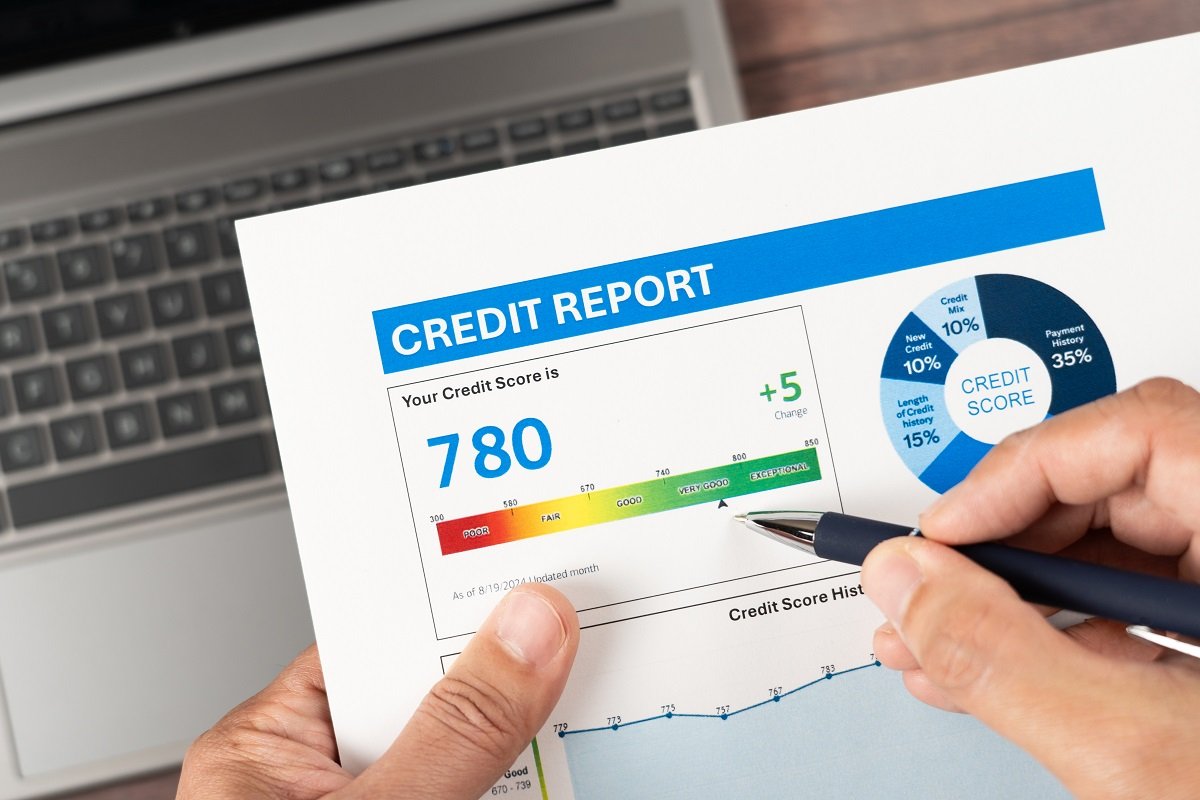
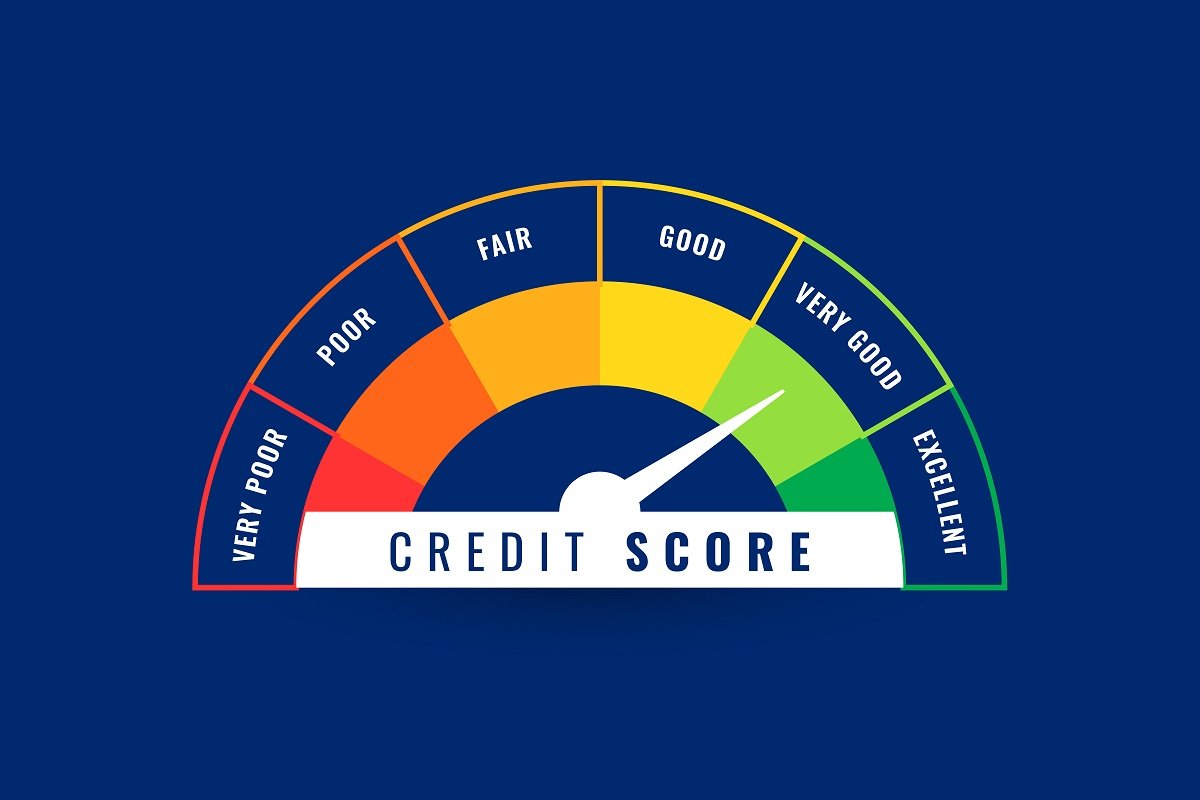
Although different credit scoring models exist, most scores fall within a range that indicates whether your credit is poor, fair, good, very good, or excellent.
A higher score generally means lower risk to lenders.
Why Does a Credit Score Matter?
A good credit score can make many financial goals easier to achieve.
It may help you:
- Qualify for credit cards.
- Get approved for personal loans.
- Receive lower interest rates.
- Finance a vehicle.
- Qualify for a mortgage.
- Access higher credit limits.
A strong credit history can save you money over time through lower borrowing costs.
What Affects Your Credit Score?
Several factors influence your credit score.
Payment History
Making payments on time is one of the most important factors.
Late or missed payments can lower your score.
Credit Utilization
Credit utilization measures how much of your available credit you are using.
Keeping balances low compared to your credit limit is generally considered positive.
Length of Credit History
Older credit accounts help demonstrate a longer history of responsible credit management.
Credit Mix
Managing different types of credit responsibly may contribute positively to your overall credit profile.
New Credit Applications
Applying for several new credit accounts within a short period may temporarily affect your score.
What Is Considered a Good Credit Score?
Credit score ranges vary depending on the scoring model.
In general:
- Excellent
- Very Good
- Good
- Fair
- Poor
Instead of focusing only on the number, aim to consistently build healthy financial habits.
How to Improve Your Credit Score
Improving your credit score takes time, but the following habits can help.
Pay Bills on Time
Always pay at least the minimum amount by the due date.
Setting automatic payments or reminders can reduce the risk of missing payments.
Keep Credit Utilization Low
Avoid using most of your available credit limit.
Lower balances generally support a healthier credit profile.
Review Your Credit Report
Check your credit report regularly for errors or inaccurate information.
Report any mistakes promptly.
Avoid Unnecessary Applications
Only apply for new credit when you genuinely need it.
Too many applications in a short period may affect your score.
Keep Older Accounts Open
If appropriate for your situation, maintaining older accounts can contribute to a longer credit history.
Common Credit Score Myths
Myth: Checking Your Own Credit Score Lowers It
Checking your own credit report or score is generally considered a soft inquiry and usually does not affect your score.
Myth: Carrying a Balance Improves Your Score
You do not need to carry debt to build good credit.
Paying your balance responsibly is usually the better approach.
Myth: A High Income Means a High Credit Score
Income and credit scores measure different things.
Responsible borrowing behavior has a greater impact on your credit profile.
Tips for Building Healthy Credit
- Pay every bill on time.
- Monitor your credit regularly.
- Borrow responsibly.
- Keep balances manageable.
- Build credit gradually.
- Review your financial goals each year.
Small, consistent habits often lead to stronger credit over time.
Final Thoughts
Your credit score is an important part of your financial health, but it is not something that improves overnight.
By paying bills on time, managing credit responsibly, and reviewing your credit information regularly, you can gradually build a stronger credit profile.
Good credit supports many financial opportunities and can help you achieve important goals with greater confidence.
Frequently Asked Questions
What is a credit score?
A credit score is a numerical representation of your credit history that lenders use to evaluate how responsibly you manage borrowed money.
How often should I check my credit score?
Checking your credit score several times a year can help you monitor changes and identify potential issues early.
Does checking my own credit score hurt it?
No. Checking your own credit score is generally considered a soft inquiry and does not usually affect your score.
How long does it take to improve a credit score?
The timeline depends on your financial history and habits. Consistently making on time payments and managing credit responsibly can lead to gradual improvement.
What is credit utilization?
Credit utilization is the percentage of your available credit that you are currently using. Lower utilization is generally viewed more positively by lenders.
Can closing a credit card hurt my credit score?
In some cases, closing a credit card can affect your credit utilization and the length of your credit history. Consider the potential impact before closing an account.
Why is payment history important?
Payment history shows whether you pay your bills on time. It is one of the most influential factors in most credit scoring models.
Can I have a good credit score without using a credit card?
Yes. Other forms of credit, such as loans that are managed responsibly, can also contribute to building a positive credit history.