



The Complete Guide to Personal Finance for Beginners
Take Control of Your Money and Build a Better Financial Future
Who This Guide Is For
This guide is for anyone who wants to feel more confident about money.
Whether you’re starting your first job, raising a family, paying off debt, saving for a home, or simply trying to understand where your money goes every month, this guide will help you build a strong financial foundation.
You don’t need a finance degree.
You don’t need to earn a six figure salary.
You simply need the willingness to learn and make small improvements over time.
What You’ll Learn
By the end of this guide, you’ll understand.
- How personal finance affects your daily life.
- Why budgeting gives you more freedom (not less).
- How to save money without feeling deprived.
- Why every person needs an emergency fund.
- How financial planning helps you reach long-term goals.
- The basics of investing.
- How to develop healthy money habits.
- Practical steps you can start today.
💡 Quick Takeaways
If you only remember five things from this guide, let them be these:
- Spend less than you earn.
- Save consistently, even if you start small.
- Avoid unnecessary debt.
- Invest for your future.
- Build good financial habits one step at a time.
Personal finance isn’t about being perfect;
it’s about making better decisions more often.
Imagine this:
it’s Friday,
Your salary has just arrived.
You pay your rent.
Buy groceries.
you fill your car with fuel.
A few subscriptions renew automatically.
You order takeaway because you’re too tired to cook.
A friend invites you out for dinner.
By the following Wednesday, you open your Banking App.
Your balance is much lower than expected.
You stop for a moment and ask yourself.
“Where did all my money go?”
If you’ve ever asked that question, you’re far from alone.
Millions of people work hard every day yet still feel like they’re constantly chasing their next paycheck.
Some believe they simply don’t earn enough.
Others assume they’re just “bad with money.”
The truth is usually much simpler.
Most people were never taught how to manage money.
Schools teach mathematics.
They teach history.
They teach science.
Very few teach you how to create a budget, build an emergency fund, understand credit, or prepare for retirement.
As a result, many adults spend years learning through trial and error.
The good news?
Personal finance isn’t a talent you’re born with.
It’s a skill.
Like cooking, driving, or learning a new language, it becomes easier with practice.
Every smart financial decision you make today helps create a better tomorrow.
That’s exactly what this guide will help you do.
1. What Is Personal Finance?
Personal finance is simply the way you earn, spend, save, borrow, invest, and protect your money throughout your life.
In other words, it’s the collection of financial decisions you make every day.
Some decisions are small.
Buying a coffee before work.
Ordering food instead of cooking.
Signing up for another streaming service.
Others are much bigger.

Buying a house.
Taking out a mortgage.
Saving for retirement.
Investing for your future.
Although these decisions may seem unrelated, they all shape your financial future.
Think of personal finance as a roadmap.
Without one, you might still reach your destination, but you’ll probably take wrong turns, waste time, and spend more money than necessary.
With a clear plan, every decision has a purpose.
That doesn’t mean you’ll never make mistakes.
Everyone does.
The goal isn’t perfection.
The goal is progress.
Every dollar you manage wisely today is working to make your future a little easier.
The Five Pillars of Personal Finance
Personal finance can be divided into five simple areas.
1. Earning:
Your income is the foundation of your financial life.
This includes:
• Salary
• Freelance income
• Business income
• Investment income
• Side hustles
The more stable your income becomes, the easier it is to plan your finances.
2. Spending :
- Every dollar has a job.
- Some money pays for essentials.
- Some helps you enjoy life.
- Some should help build your future.
Learning the difference between needs and wants is one of the most valuable financial skills you can develop.
3. Saving:
Saving creates opportunities.
It gives you choices.
Instead of relying on credit cards during emergencies, savings provide peace of mind.
Even small amounts saved consistently can grow into something meaningful.
4. Investing:
Saving protects your money.
Investing helps it grow.
While investing involves risk, it also offers the opportunity to build wealth over the long term.
We’ll explore this in more detail later in the guide.
5. Protecting:
Life is unpredictable.
Insurance, emergency funds, secure passwords, and estate planning all help protect the financial future you’re working hard to build.
Protecting your money is just as important as earning it.
2. Why Personal Finance Matters
Many people think personal finance is only important for wealthy individuals.
Nothing could be further from the truth.
In reality, people with average incomes often benefit the most from strong financial habits.
Personal finance isn’t about how much money you make.
It’s about how well you manage the money you already have.
Imagine two people who each earn $70,000 per year.
The first spends nearly everything they earn.
They save very little and rely on credit cards whenever an unexpected expense arises.
The second follows a simple budget, saves regularly, avoids unnecessary debt, and invests a portion of every paycheck.
Five years later, their incomes are still the same.
Their financial situations are completely different.
The difference wasn’t luck.
It wasn’t intelligence.
It was their daily financial habits.
Small decisions, repeated consistently, often produce the biggest results.
📖 Real Life Story — David
Meet David.
David is 32 years old and works as a customer support specialist.
He earns $4,500 each month.
For years, David believed he wasn’t making enough money to save.
At the end of every month, his bank balance was close to zero.
One weekend, he decided to review three months of bank statements.
The results surprised him.
Every month he spent around:
- $240 on food delivery.
- $180 on impulse online shopping.
- $95 on subscriptions he rarely used.
- $160 on daily coffee and snacks.
None of these purchases seemed expensive on their own.
Together, they added up to $675 every month.
David didn’t stop enjoying life.
Instead, he made a few simple changes.
He cooked at home more often.
He cancelled subscriptions he no longer needed.
He packed lunch for work twice a week.
He set up an automatic transfer of $125 into a savings account every payday.
One year later, David had saved more than $3,000.
The biggest lesson wasn’t that David suddenly earned more money.
It was that understanding where his money was going helped him take control of it.
And that’s exactly what personal finance is all about.
📊 Did You Know?
Saving just $10 a day adds up to $3,650 in one year.
If that money earned interest or investment returns over time, its value could grow even further.
Small, consistent habits often have a bigger impact than occasional large savings.
🎯 Your 30 Day Personal Finance Challenge
Knowledge is valuable.
Action creates results.
Here’s a simple challenge to help you put what you’ve learned into practice.
Week 1
Track every dollar you spend.
Week 2
Create your first monthly budget.
Week 3
Save your first $100.
Week 4
Review your progress and adjust your budget.
By the end of 30 days, you’ll have taken the first steps toward better financial habits.
This turns readers into participants, not just readers.
3. Budgeting: Give Every Dollar a Purpose
Have You Ever Wondered Where Your Money Goes?
Your paycheck arrives.
For a moment, everything feels under control.
You pay your rent or mortgage.
Your electricity bill is due.
The grocery shopping needs to be done.
A few subscriptions renew automatically.
You meet friends for dinner over the weekend.
Then, one day, you check your bank balance and wonder:
“How did I spend so much already?”
If you’ve experienced this, don’t worry. It doesn’t mean you’re bad with money.
It usually means you don’t have a plan for your money yet.
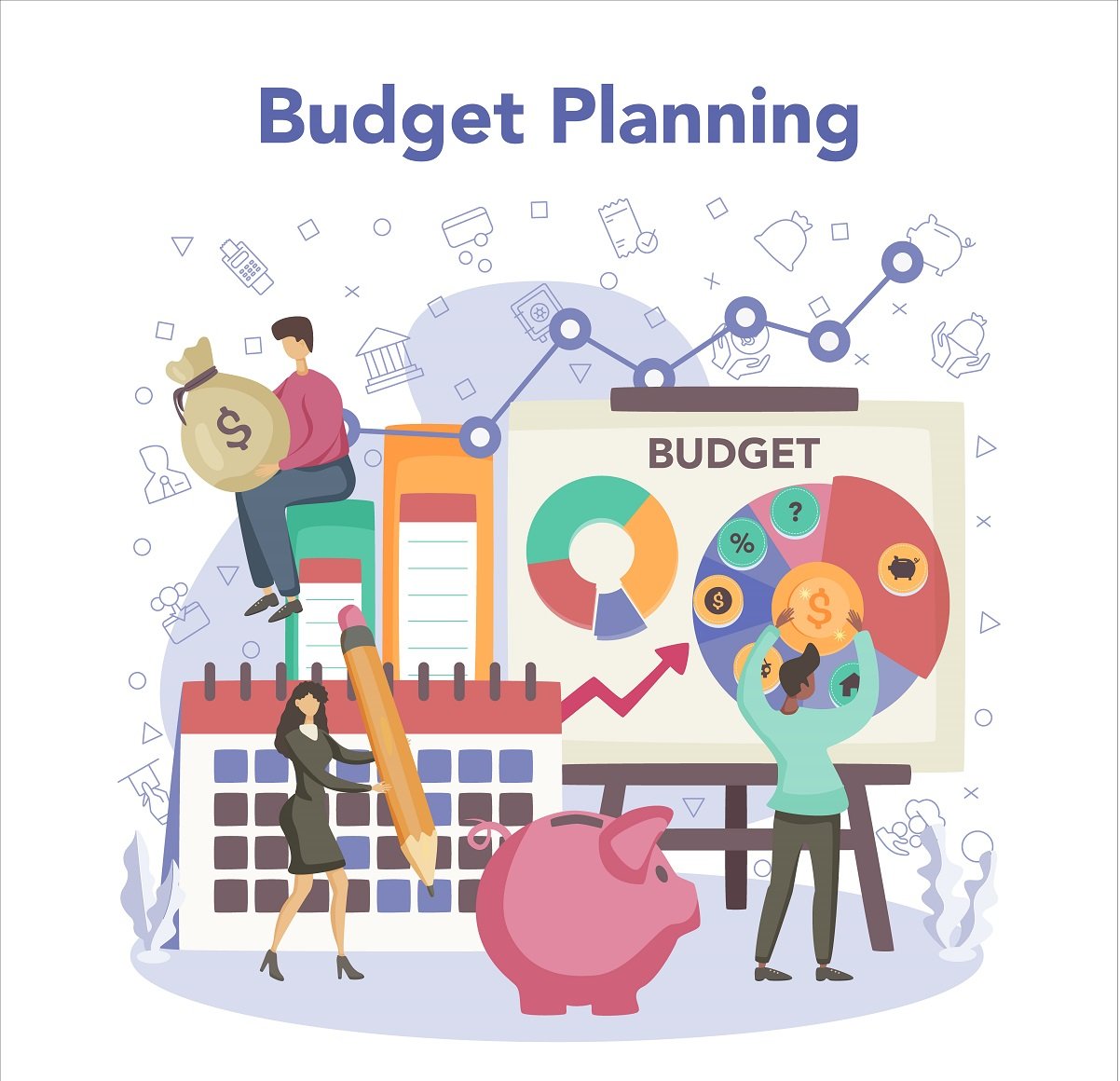
A budget isn’t about limiting your freedom.
It’s about giving every dollar a job before you spend it.
Think of a budget as a roadmap. Without one, it’s easy to lose direction. With one, every financial decision becomes easier because you already know where your money should go.
What Is a Budget?
A budget is simply a spending plan.
It tells your income where it needs to go each month.
A good budget includes:
- Housing
- Utilities
- Groceries
- Transportation
- Insurance
- Debt payments
- Savings
- Entertainment
- Personal spending
Notice something?
Savings is part of the budget.
Many people save whatever is left over at the end of the month.
Successful savers often do the opposite.
They save first and spend the rest wisely.
Why Budgeting Isn’t About Restriction
One of the biggest myths about budgeting is that it stops you from enjoying life.
The truth is the opposite.
A budget helps you spend on the things that matter most without feeling guilty.
If travelling is important to you, your budget can include a travel fund.
If you enjoy dining out, you don’t have to stop completely.
Instead, you decide in advance how much you’re comfortable spending.
A budget puts you in control instead of letting your money control you.
A Simple Budget Anyone Can Start
You don’t need complicated spreadsheets.
Start with four simple questions.
1. How much money comes in each month?
Write down your total monthly income after taxes.
Example:
Monthly Income: $4,500
2. What must you pay?
These are your essential expenses.
Example:
- Rent: $1,500
- Utilities: $250
- Groceries: $500
- Transportation: $350
- Insurance: $200
3. What do you choose to spend?
Examples include:
- Restaurants
- Shopping
- Streaming services
- Entertainment
- Hobbies
These aren’t necessarily bad expenses.
They simply need limits.
4. What are you saving?
This should never be forgotten.
Even saving $50 or $100 each month builds momentum.
The amount matters less than the habit.
Real Life Example
Jessica earns $4,000 each month.
She believed she couldn’t save money.
After reviewing her spending, she discovered:
| Monthly Expense | Before | After |
|---|---|---|
| Coffee | $180 | $70 |
| Food Delivery | $320 | $120 |
| Online Shopping | $260 | $120 |
| Unused Subscriptions | $55 | $0 |
Jessica didn’t stop enjoying life.
She simply became more intentional.
Those changes allowed her to save nearly $6,000 in one year.
She never felt deprived because she chose what mattered most.
💡 Quick Tip
Budget for fun.
If every dollar goes toward bills and responsibilities, you’ll eventually become frustrated.
Setting aside a reasonable amount for entertainment helps you stick to your budget over the long term.
⚠ Common Budgeting Mistake
Many people create a budget once and never update it.
Life changes.
Your budget should too.
Review it every month.
Adjust it when your income or expenses change.
A flexible budget is far more effective than a perfect budget you stop using.
4. Saving Money: Small Habits Create Big Results
When people hear the phrase “save money,” they often imagine making huge sacrifices.
In reality, successful saving usually comes from dozens of small decisions.
Buying one less takeaway meal each week.
Waiting 24 hours before making an impulse purchase.
Comparing prices before buying.
Cancelling subscriptions you no longer use.
These choices may seem small, but together they can make a meaningful difference over time.
Why Saving Is So Important
Savings provide something more valuable than money.
They provide options.
When you have savings, you’re less likely to rely on credit cards during emergencies.
You can handle unexpected expenses with greater confidence.
You also reduce financial stress because you’re better prepared for life’s surprises.
Saving isn’t just about your future.
It’s about creating peace of mind today.

Pay Yourself First
One of the simplest saving strategies is called Pay Yourself First.
Instead of waiting to see what’s left at the end of the month, move money into savings as soon as you’re paid.
Even if it’s only $25, consistency matters more than the amount.
Automation makes this easier.
Set up an automatic transfer to your savings account on payday.
When saving happens automatically, you’re less tempted to spend the money elsewhere.
📖 Real Life Story — Michael
Michael wanted to save money for years.
Every month he told himself:
“I’ll save whatever is left.”
There was never anything left.
One day he changed his strategy.
He arranged for $75 to be transferred automatically into a separate savings account every payday.
At first, he barely noticed the difference.
Twelve months later, he had saved nearly $2,000.
He didn’t earn more money.
He simply changed the order in which he managed it.
📊 Did You Know?
Saving $100 every month means you’ll have $1,200 after one year, even before considering any interest or investment growth.
Building wealth often starts with consistent habits rather than large deposits.
5. Emergency Fund: Your Financial Safety Net
Imagine waking up tomorrow and your car won’t start.
The repair costs $900.
Or your washing machine suddenly breaks.
Or you face an unexpected medical bill.
Life is full of surprises.
Some are exciting.
Others are expensive.
An emergency fund exists to help you handle those moments without creating a financial crisis.

How Much Should You Save?
Don’t worry about saving several months of expenses immediately.
Start with small milestones.
First Goal:
$500
This can cover many smaller emergencies.
Second Goal:
$1,000
Now you’re prepared for many unexpected costs.
Term goal:
Build an emergency fund equal to three to six months of essential living expenses.
You don’t need to reach this overnight.
Steady progress is what matters.
📖 Emma’s Story — Emma
Emma had just built her first $1,000 emergency fund.
A month later, her car needed repairs costing $780.
Instead of putting the expense on a high-interest credit card, she paid for it using her emergency savings.
Then she slowly rebuilt the fund over the following months.
The money wasn’t there to stay untouched forever.
It was there to protect her when life happened.
That’s exactly what an emergency fund is designed to do.
💡 Expert Tip
Keep your emergency fund in a separate, easily accessible savings account.
It should be available when you need it, but separate enough that you’re not tempted to spend it on everyday purchases.
Your Action Steps This Week
- List all of your monthly income.
- Write down every monthly expense.
- Identify one expense you can reduce.
- Set up an automatic savings transfer.
- Create your emergency fund goal.
- Review your budget at the end of the month.
These small steps can help you build confidence and create a stronger financial foundation
6. Financial Planning: Turning Your Dreams Into a Practical Plan
Have You Ever Said, “I’ll Start Saving Next Year”?
Many people have good financial intentions.
“I’ll save more next month.”
“I’ll start investing after I get a raise.”
“I’ll think about retirement when I’m older.”
The problem isn’t having these thoughts.
The problem is that “later” often becomes years later.
Financial planning helps turn good intentions into real progress.
It doesn’t require a high income.
It requires a clear direction.
Think about planning a holiday.
You decide where you want to go.
You calculate the cost.
You book your transport.
You save money in advance.
You make a plan before you leave.
Your financial life works the same way.
Without a plan, it’s easy to drift from one payday to the next without making meaningful progress.
With a plan, every financial decision has a purpose.
What Is Financial Planning?
Financial planning means deciding what you want to achieve with your money and creating a realistic plan to get there.
Your goals might include:
- Buying your first home.
- Becoming debt free.
- Building a six month emergency fund.
- Starting your own business.
- Paying for your children’s education.
- Retiring comfortably.
Every goal begins with one question.
“What am I working towards?”
When you know the answer, managing your money becomes much easier.

Break Big Goals Into Small Steps
Large goals often feel impossible because we only focus on the final number.
Imagine your goal is to save $20,000 for a house deposit.
That sounds overwhelming.
Now divide it into smaller milestones.
First $500.
Then $1,000.
Then $2,500.
Then $5,000.
Small wins build confidence.
Confidence builds consistency.
Consistency produces results.
SMART Financial Goals
A good financial goal should be:
Specific
Measurable
Achievable
Relevant
Time based
Instead of saying,
“I want to save more money.”
Try saying,
“I will save $250 every month for the next 12 months to build my emergency fund.”
That’s a goal you can track.
📖 Real Life Story — Mark and Olivia
Mark and Olivia wanted to buy their first home.
For years they saved “whatever was left.”
Unfortunately, very little was left.
One evening they sat down together and created a simple financial plan.
They reduced a few unnecessary expenses.
They automated their savings.
They reviewed their progress every month.
Three years later, they had saved enough for their deposit.
Nothing magical happened.
They simply followed a plan.
💡 Quick Tip
Write your biggest financial goal somewhere you’ll see it every day.
It could be on your fridge, your desk, or as the wallpaper on your phone.
A visible reminder helps keep you focused.
7. Managing Debt Without Feeling Overwhelmed
Is All Debt Bad?
Many people hear the word “debt” and immediately think of financial problems.
The truth is more balanced.
Some debt can help you achieve important life goals.
Other debt can make reaching those goals much harder.
The key is understanding the difference.
Good Debt vs Bad Debt
Good debt may help build your future.
Examples include:
- Student loans that improve career opportunities.
- A mortgage for a home you can comfortably afford.
- A business loan used responsibly.
Bad debt often comes from spending on things that quickly lose value.
Examples include:
- High interest credit card balances.
- Buy now, pay later purchases you can’t comfortably repay.
- Loans for unnecessary luxury items.
Debt itself isn’t the problem.
Debt you cannot manage is.
How to Start Paying Off Debt
Don’t panic.
Start with these simple steps.
Step 1.
List every debt you have.
Include:
• Total balance.
• Interest rate.
• Minimum monthly payment.
Step 2.
Always pay at least the minimum payment.
Missing payments can lead to extra charges and affect your credit history.
Step 3.
Whenever possible, pay extra towards one debt while continuing minimum payments on the others.
Many people stay motivated by paying off smaller balances first.
Others prefer focusing on the highest interest rate first.
The best strategy is the one you’ll stick with consistently.
⚠ Common Mistake
Ignoring debt doesn’t make it disappear.
Opening bills can feel stressful.
Avoiding them usually makes the situation worse.
Facing the numbers is the first step towards improving them.
8. Understanding Credit Scores
Why Does Your Credit Score Matter?
Imagine two people applying for the same loan.
Both earn similar salaries.
One receives a lower interest rate.
The other pays significantly more.
One reason could be their credit history.
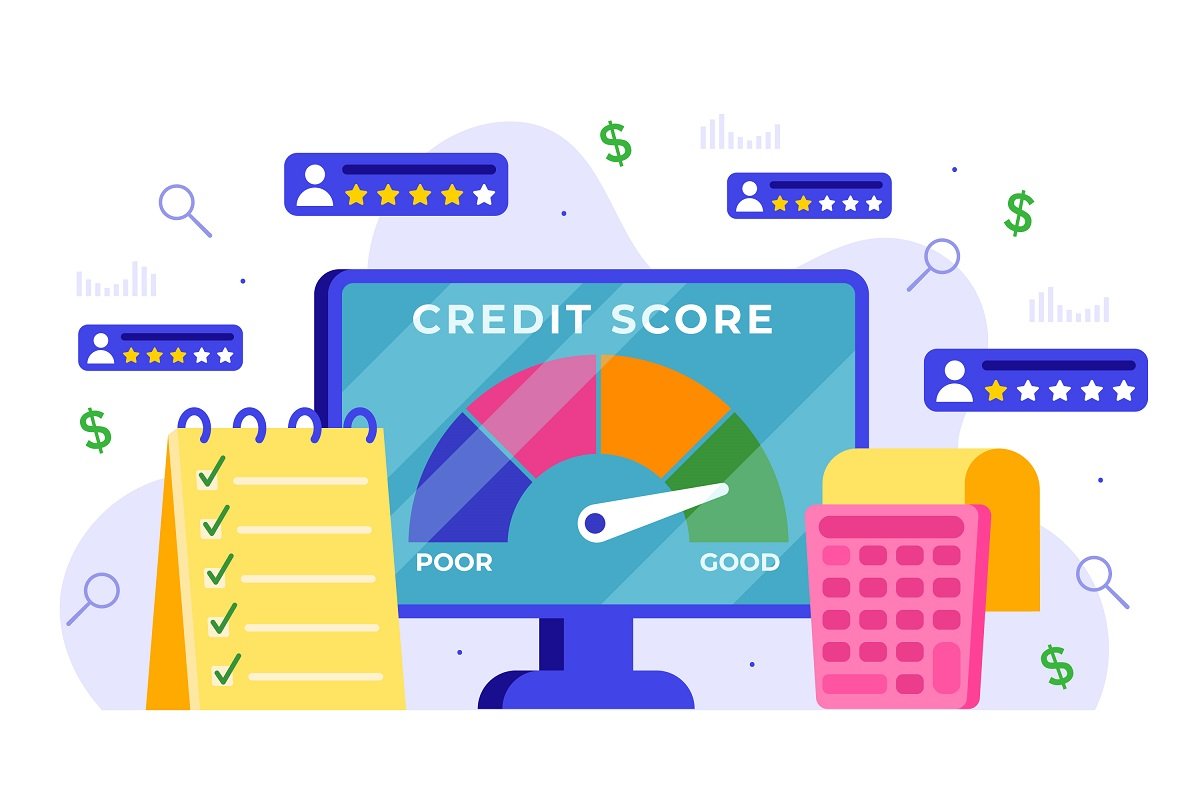
A credit score helps lenders understand how you’ve managed borrowing in the past.
While credit scoring systems differ between countries, responsible borrowing habits are valued almost everywhere.
What Can Affect Your Credit?
Although the exact calculation varies, several habits commonly influence your credit profile.
• Paying bills on time.
• Keeping borrowing under control.
• Avoiding missed payments.
• Maintaining a long history of responsible credit use.
Good habits today can make borrowing easier in the future.
📊 Did You Know?
Even one missed payment may affect your credit profile, depending on the lender and your country’s reporting system.
Paying on time is one of the simplest ways to protect your financial reputation.
Real Life Example — Daniel:
Daniel planned to finance a car.
Before applying, he checked his credit report.
He noticed an error showing a late payment that wasn’t his.
After contacting the relevant company and resolving the mistake, his credit profile improved.
The lesson?
Reviewing your credit information regularly helps you spot problems early.
Insurance: Protecting What You’ve Worked Hard to Build
Imagine spending years building savings.
Then a serious accident, illness, or unexpected event creates a large financial expense.
Insurance exists to reduce the financial impact of events we hope never happen.
It isn’t exciting.
But it plays an important role in a healthy financial plan.
Depending on your situation, insurance may include:
• Health insurance.
• Home insurance.
• Car insurance.
• Life insurance.
The right cover depends on your personal circumstances.
Think of insurance as protection for the financial progress you’ve worked hard to achieve.
💡 Expert Tip
Review your insurance cover once a year.
As your family, income, or responsibilities change, your insurance needs may also change.
9. Investing: Letting Your Money Work Alongside You
Many people believe investing is only for wealthy people.
That’s one of the biggest financial myths.
Investing simply means putting your money into assets that have the potential to grow over time.
Unlike saving, which focuses on protecting your money, investing aims to increase its value over the long term.
Markets go up.
Markets go down.
That’s normal.
Successful investors usually focus on long term growth rather than short term headlines.
The earlier you begin, the more time your investments have to grow.
You don’t need to start with thousands of dollars.
The most important step is learning before investing and investing consistently within your financial means.
Since Financemaniaa has a complete Investing section, we’ll explore ETFs, Index Funds, Dividend Investing, and Investing Basics in much greater detail in those dedicated guides.
10. Retirement Planning: Your Future Starts Today
“I’m Too Young to Think About Retirement.”
If you’re in your 20s or 30s, retirement can feel like something that’s decades away.
If you’re in your 40s or 50s, you might feel you’ve started too late.
Here’s the truth.
The best time to start planning for retirement is when you begin thinking about it.
Retirement planning isn’t about guessing exactly what life will look like in 30 years.
It’s about giving your future self more choices.
Imagine reaching retirement age with no savings.
Now imagine reaching the same age knowing you’ve built a financial cushion over many years.
The second future doesn’t happen because of one big decision.
It happens because of hundreds of small decisions made consistently.

Why Retirement Planning Matters
Many people assume government pensions or retirement benefits will be enough.
For some people, they may provide part of the income they need.
For others, they may not.
Building your own retirement savings gives you greater independence and flexibility.
Even small contributions made consistently over many years can make a meaningful difference.
The goal isn’t to become wealthy overnight.
The goal is to prepare for tomorrow while enjoying today.
Start With What You Can Afford
One of the biggest mistakes people make is believing they need a large amount of money before they can begin saving for retirement.
That’s simply not true.
If you can save $50, start there.
If you can save $100, even better.
As your income grows, increase your contributions.
The habit matters more than the starting amount.
💡 Quick Tip
Whenever you receive a salary increase, consider increasing your retirement savings before increasing your lifestyle spending.
This simple habit can make a significant difference over time.
11. Building Money Habits That Last
Your Financial Future Is Built by Daily Decisions
Think about brushing your teeth.
You don’t do it once and expect healthy teeth for life.
You do it regularly because the habit protects your health.
Managing money works the same way.
Good financial habits don’t produce dramatic results overnight.
They quietly improve your financial life month after month.
Five Habits That Can Change Your Financial Life
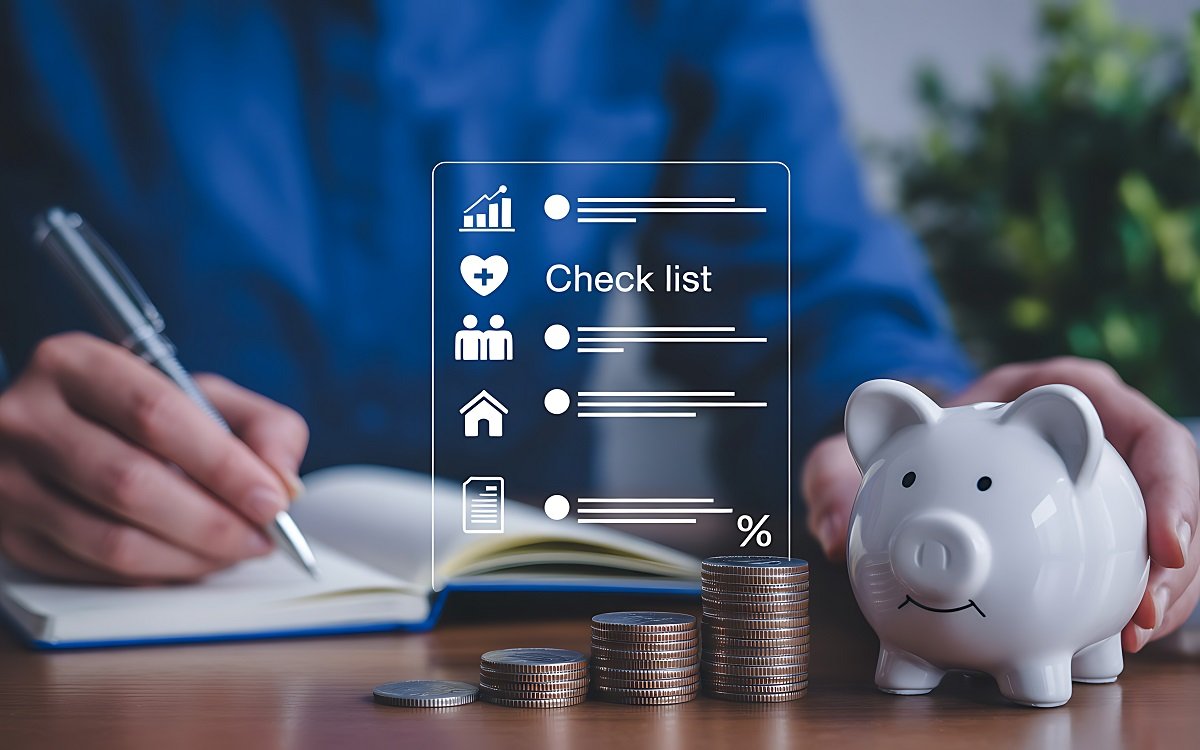
1. Track Your Spending
You can’t improve what you don’t measure.
Spend ten minutes each week reviewing where your money went.
Awareness often leads to better decisions.
2. Save Before You Spend
Treat your savings like an important monthly bill.
Pay yourself first.
Even small amounts build momentum.
3. Avoid Impulse Purchases
Before buying something expensive, wait 24 hours.
Many purchases feel less important after you’ve had time to think.
4. Keep Learning
Personal finance changes throughout your life.
Continue reading, learning, and improving your knowledge.
Small lessons often lead to better long term decisions.
5. Review Your Financial Goals
Your goals will change.
Review them every few months.
Adjust your plan as your life changes.
📖 Real Life Story — Sophia
Sophia didn’t receive a large inheritance.
She didn’t win the lottery.
She simply followed a few healthy money habits.
Every payday she saved a small amount.
She avoided unnecessary debt.
She reviewed her spending each month.
She increased her savings whenever her income increased.
Ten years later, many people assumed she had been “lucky.”
She smiled.
It wasn’t luck.
It was consistency.
Financial success often looks ordinary while you’re building it.
Only later do people notice the results.

⚠ Common Mistakes to Avoid
Many financial problems don’t begin with one major mistake.
They begin with several small habits repeated over time.
Avoid these common mistakes.
• Living beyond your means.
• Ignoring your monthly spending.
• Depending on credit cards for everyday expenses.
• Delaying saving because you think the amount is too small.
• Investing before building an emergency fund.
• Comparing your financial journey with someone else’s.
Remember, personal finance is personal.
Your plan should reflect your own goals, income, and circumstances.
🎯 Your 30 Day Personal Finance Challenge
Knowledge is valuable.
Action creates results.
Here’s a simple challenge to help you put what you’ve learned into practice.
Week 1
Understand Your Money
✔ Track every expense.
✔ List your income.
✔ Identify unnecessary spending.
Week 2
Create Your Budget
✔ Build your first monthly budget.
✔ Set a savings goal.
✔ Automate your savings.
Week 3
Strengthen Your Financial Foundation
✔ Start or grow your emergency fund.
✔ Review any debts.
✔ Check your progress.
Week 4
Plan for Your Future
✔ Write your financial goals for the next year.
✔ Learn about investing.
✔ Review your retirement plan.
✔ Celebrate the progress you’ve made.
Small actions repeated consistently often produce meaningful long term results.
12. Frequently Asked Questions
How much money should I save every month? There’s no single amount that works for everyone. Start with what’s realistic for your budget and increase it as your income grows.
Should I pay off debt before investing? It depends on the type of debt and your situation. High-interest debt is often a priority, and it’s also wise to build an emergency fund before taking on investment risk.
How much should I keep in my emergency fund? Many aim for three to six months of essential expenses, but your first $500 or $1,000 is an excellent milestone.
Is it too late to improve my finances? No — the best time to start was yesterday; the second best time is today.
Do I need a high income to build wealth? No — income matters, but habits, consistency, and long-term planning play a major role too.
Your Next Step
If you’ve reached this point, you’ve already taken an important first step.
You understand that personal finance isn’t about perfection.
It’s about making better decisions, one at a time.
Don’t try to change everything today.
Choose one action.
Perhaps you’ll create your first budget.
Maybe you’ll start an emergency fund.
Or perhaps you’ll review your monthly spending.
Whatever you choose, begin today.
Your future self will thank you.

Continue Learning With Financemaniaa
To build your financial knowledge even further, explore these detailed guides.
- How to Create a Personal Budget That Actually Works
- What Is an Emergency Fund?
- 15 Money Saving Tips That Actually Work
- Investing for Beginners
- ETF Investing Explained
- Index Funds Explained
- Dividend Investing for Beginners
- Credit Score Improvement Guide
- Credit Card Tips
- Cashback Credit Cards Guide
- Rewards Credit Cards Guide
These articles will help you explore each topic in greater depth.
14. Final Thoughts
Money touches almost every part of our lives.
It affects where we live, how we travel, the opportunities we can give our families, and the choices we have in the future.
Yet personal finance isn’t really about money.
It’s about freedom.
The freedom to handle unexpected expenses.
The freedom to work toward meaningful goals.
The freedom to make decisions with confidence instead of fear.
You don’t need to become an expert overnight.
You simply need to keep learning, keep improving, and keep taking small steps in the right direction.
Remember David, Jessica, Emma, Mark, Olivia, and Sophia from this guide?
They weren’t financial experts.
They were ordinary people who made consistent decisions over time.
You can do the same.
Start where you are.
Use what you have.
Keep moving forward.
One day, you’ll look back and realise that the small financial choices you made today became the foundation of a more secure tomorrow.
Thank you for spending your time with Financemaniaa.
We hope this guide helps you build the confidence to take control of your money and create the financial future you want.