


Sometimes the problem isn’t that you don’t want to save money. You do. You think about it every time your paycheck lands, you tell yourself you’ll spend less this month, maybe you’ve even set a savings goal. Then life happens — rent, groceries that cost more than expected, gas, a school expense, a medical bill, a night you were too tired to cook. You check your bank account and think: “Where did all my money go?”
If that feeling is familiar, you’re not alone. Saving money can feel impossible when your income already seems committed before the month even begins. But here’s the good news: you probably don’t need to overhaul your entire lifestyle. You need to understand where your money is actually going and start making a few intentional decisions. That’s where real progress begins — and that’s exactly what this guide walks you through.
Table of Contents
- Why Saving Money Can Feel So Difficult
- Are You Spending Too Much or Earning Too Little?
- Start With One Month of Real Numbers
- The Small Purchase Problem
- Don’t Try to Cut Everything
- Find Your “Worth It” Expenses
- Look for Money You Don’t Notice Anymore
- Give Every Dollar a Job
- Save Before the Money Disappears
- What If You Can’t Save Much Right Now?
- Give Yourself a Reason to Save
- Your Savings Goal Should Feel Real
- Don’t Forget Irregular Expenses
- Start With the Expenses That Give You the Least Value
- Take a Closer Look at Food Spending
- Try the “Use What You Have” Week
- Be Careful With Convenience Spending
- The 24-Hour Rule for Shopping
- Make Shopping Slightly More Difficult
- Watch Out for Lifestyle Inflation
- Give Yourself a Fun Budget
- Don’t Try to Become the Cheapest Person in the Room
- Review Your Transportation Costs
- Your Home Can Also Hide Expenses
- Review Your Phone and Internet Plans
- Stop Paying for Things You Don’t Use
- Saving Money When You Have Debt
- What About When Your Income Is Irregular?
- Don’t Let One Bad Month Become a Bad Year
- Your Emotions Can Affect Your Spending
- Create a “Wait Before You Buy” Habit
- The Goal Isn’t to Spend Nothing
- Your 30-Day Money-Saving Challenge
- What If You Only Save $100?
- What If You Have a Month Where Everything Goes Wrong?
- Saving Money Doesn’t Mean Saying No to Everything
- Saving Money When You Feel Behind
- What Should You Save For First?
- Frequently Asked Questions
- Final Thoughts
Why Saving Money Can Feel So Difficult
People often assume saving money is simply a matter of discipline: spend less, save more, problem solved. Real life isn’t that simple. Your financial situation is tied to your lifestyle, family, work, habits, responsibilities, and emotions. Maybe your household has grown, you’re helping your parents, your rent went up, food costs more than it used to, your commute got more expensive, you’re carrying debt payments, or your income is irregular. Sometimes there genuinely isn’t much left after essential expenses.
That’s why telling yourself to “just stop spending” usually doesn’t work. You need to know what kind of spending problem you’re actually dealing with.
Are You Spending Too Much or Earning Too Little?
This is an important question. Imagine two people. Person A earns $3,000 a month and spends $3,200. Person B earns $8,000 a month and spends $7,900. Both have a problem — but not necessarily the same one.
| Person | Income | Spending | Likely Issue |
|---|---|---|---|
| Person A | $3,000/mo | $3,200/mo | May need to reduce expenses, increase income, or both |
| Person B | $8,000/mo | $7,900/mo | Technically has money left over, but lifestyle spending is consuming nearly everything earned |
Before cutting expenses, understand your situation. Look at your monthly income, then your essential expenses, then your discretionary spending, and finally what remains. You need the complete picture before deciding what to change.
Start With One Month of Real Numbers
Don’t guess. For the next 30 days, track your spending — every coffee, every grocery trip, every online purchase, every restaurant bill, every subscription, every transfer, every small purchase. You don’t need to judge yourself while doing this. Just record it.
At the end of the month, divide your spending into simple categories: housing, food, transportation, utilities, insurance, debt, entertainment, shopping, subscriptions, family expenses, and other. Then look at the totals. You may be surprised. Sometimes the biggest problem isn’t one huge purchase — it’s several categories that have slowly grown.
The Small Purchase Problem
Let’s say you spend $6 on coffee, $12 on lunch, $8 on snacks, and $15 on delivery fees or small online purchases. None of these feels financially significant on its own. But imagine this pattern happens regularly.
| Daily Small Spending | Days per Month | Monthly Total | Annual Total |
|---|---|---|---|
| $20/day | 20 days | $400 | $4,800 |
This isn’t meant to say you should never buy coffee or lunch. It shows why repeated spending deserves attention. The question isn’t “Can I afford this $6?” The better question is “Do I want this spending habit to continue throughout the year?” That’s a completely different way of looking at money.

Don’t Try to Cut Everything
This is where many money-saving plans fail. Someone gets motivated, creates a strict budget — no restaurants, no entertainment, no shopping, no holidays, no coffee, no treats. For two weeks everything looks perfect. Then they get tired, break the plan, and decide they aren’t good at saving money.
The problem usually isn’t the person — it’s the plan. A sustainable financial plan needs room for real life. You should be able to enjoy some of your money. Saving shouldn’t mean removing every small pleasure. The goal is to spend intentionally.
Find Your “Worth It” Expenses
Take your spending list and divide it into three groups: worth it, maybe, and not worth it.
Your “worth it” expenses genuinely improve your life — dinner with family once a month, a gym membership that keeps you healthy, a hobby you love, an occasional weekend trip. Keep the things that matter.
Then look at the “not worth it” category — expenses you make almost automatically, that you don’t really enjoy, don’t remember buying, and wouldn’t miss if they disappeared. Those are often the easiest to reduce.
Look for Money You Don’t Notice Anymore
Some expenses become invisible because they happen automatically. Your bank account handles them and you don’t think about them — until you add them together. Look for streaming services, music subscriptions, apps, cloud storage, gym memberships, software subscriptions, premium memberships, delivery subscriptions, and online services.
Ask yourself one question: “If this payment disappeared tomorrow, would I actually miss it?” If the answer is no, consider cancelling it. You can always subscribe again later if you genuinely need it.
Give Every Dollar a Job
You don’t need an extremely complicated budget — you just need to know what your money is supposed to do. Imagine your monthly income is $4,000. Instead of thinking “I have $4,000 to spend,” think “some of this money already has a job.”
| Category | Amount |
|---|---|
| Essential expenses | $2,000 |
| Debt payments | $500 |
| Savings | $500 |
| Everyday spending | $500 |
| Personal & entertainment | $300 |
| Irregular expenses | $200 |
The exact numbers will differ for everyone. The important idea is that your money gets a purpose before you spend it — this makes saving a planned action rather than something you hope happens at the end of the month.

Save Before the Money Disappears
One of the simplest changes you can make is moving money into savings soon after you receive your income. Why? Because money sitting in your spending account feels available. If you leave $500 there for the whole month, you’ll likely find reasons to spend it. If $500 automatically moves into savings, you don’t have to make that decision every week.
Automation reduces the number of financial decisions you need to make. Start with an amount you can realistically maintain — even $25 or $50 per paycheck can create a habit. You can increase it later.
What If You Can’t Save Much Right Now?
This is important. You may read advice telling you to save 20% of your income. But what if you genuinely can’t, because your essential expenses already consume most of it?
Don’t give up. Start smaller — $10, $25, $50. The amount matters, but building the habit matters too. Save $25 every week and that’s roughly $1,300 over a year. It may not solve every financial problem, but it’s very different from saving nothing. Once the habit becomes normal, you can increase it as circumstances improve.
Give Yourself a Reason to Save
Saving money becomes easier when it has a purpose. Compare “I need to save more money” with “I want to build a $3,000 emergency fund so an unexpected bill doesn’t force me to use my credit card.” The second one has meaning.
Maybe you’re saving for a home, a family holiday, your child’s education, a new car, emergency savings, retirement, starting a business, financial freedom, or simply peace of mind. Your reason doesn’t have to impress anyone else — it only needs to matter to you.

Your Savings Goal Should Feel Real
Instead of saying “I want to save a lot of money,” create a specific target.
| Goal | Timeframe | Monthly Target | Weekly Target |
|---|---|---|---|
| $3,000 | 12 months | $250 | ~$58 |
Now the goal feels manageable. You don’t have to think about $3,000 every day — you only need to focus on the next contribution. That’s how large financial goals become smaller decisions.
Don’t Forget Irregular Expenses
One reason people feel like they can’t save is that unexpected expenses keep appearing. But some “unexpected” expenses aren’t actually unexpected — you know your car will eventually need maintenance, you know birthdays and holidays happen, you know school expenses and insurance premiums arrive, you know your home will eventually need repairs.
Create a separate category for irregular expenses and save a little each month. Then when the expense arrives, you won’t have to pull the entire amount from your normal monthly budget. This alone can make your finances feel far less stressful.
Start With the Expenses That Give You the Least Value
You don’t need to attack every expense — start with the ones that give you the least in return. Imagine you find $150 a month in things you barely use ($1,800 a year), plus another $100 in expenses that don’t matter much to you ($1,200 a year). You haven’t changed your entire lifestyle. You’ve simply removed spending that wasn’t adding much value — often a better starting point than trying to cut everything you enjoy.
Take a Closer Look at Food Spending
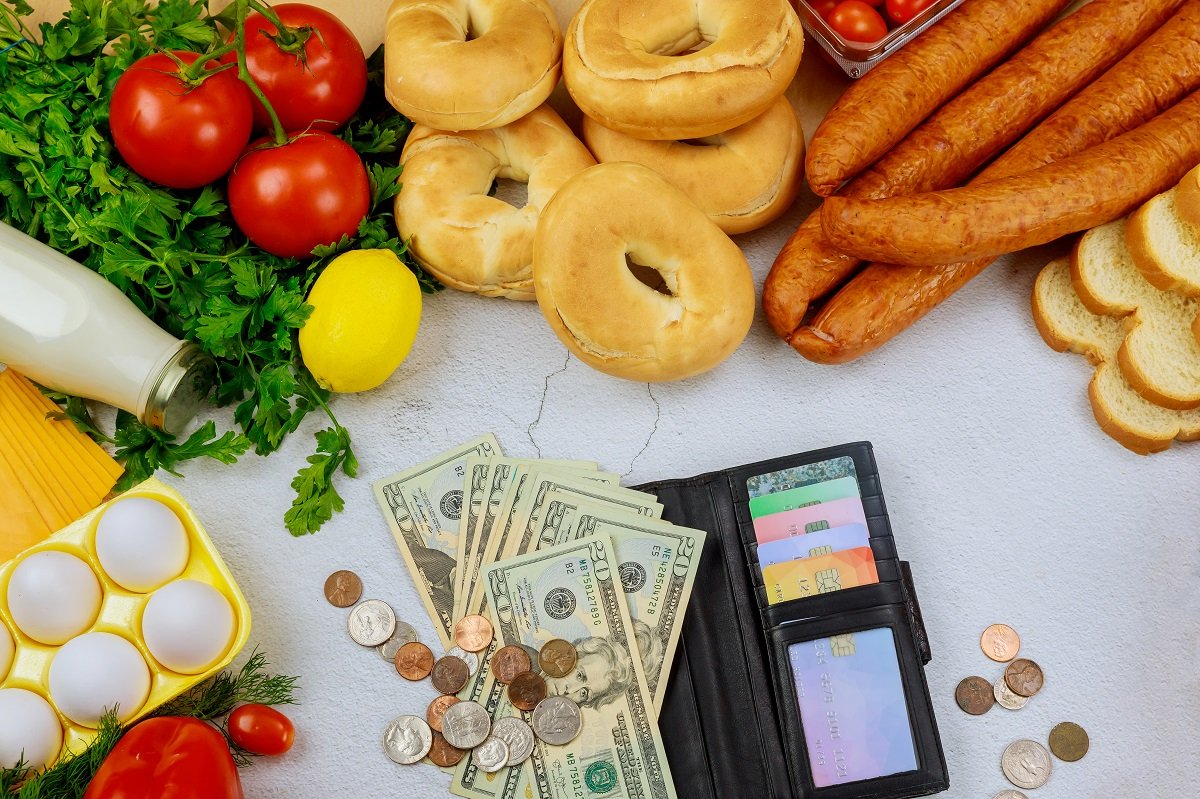
Food is one of the easiest areas to overlook. Groceries, lunch, coffee, tired-night takeout, snacks while you’re out — each decision feels small, but together they can become a significant monthly expense.
Start with your actual numbers. Don’t assume groceries are the problem — for some households, restaurant and delivery spending is much larger; for others, food waste is the real issue. The goal isn’t to eat boring food, it’s to reduce waste and make spending more intentional.
Try the “Use What You Have” Week
Before your next major grocery trip, check your freezer, cupboards, and the food you’ve already bought. Plan several meals around what you already have — you may discover ingredients you forgot about.
This reduces unnecessary grocery purchases and food waste, and it shifts your mindset from “What should I buy this week?” to “What can I use this week?” That small change can save money without feeling like deprivation.
Be Careful With Convenience Spending
Convenience has value, and sometimes paying for it is completely reasonable — ordering dinner after an exhausting day, buying lunch on a late work day. The problem is when convenience becomes automatic.
Ask: “Am I paying for convenience because I genuinely need it, or because I didn’t plan ahead?” If it’s occasional, don’t worry about it. If it’s happening several times a week, look for a simple alternative — even two or three prepped meals can cut down on expensive last-minute decisions.
The 24-Hour Rule for Shopping
Impulse purchases can make saving difficult — you see something, like it, imagine owning it, buy it, and days later barely think about it again. Try a simple rule: for non-essential purchases above an amount you choose, wait 24 hours (longer for bigger purchases).
During that time ask: Do I actually need this? Do I already own something similar? Will I still want it next week? Would I rather have this money for one of my goals? Sometimes the answer is still yes — that’s fine. The purpose isn’t to stop you from buying things, it’s to make sure you’re choosing them rather than reacting to them.
Make Shopping Slightly More Difficult
This sounds strange, but it works. Remove saved payment details from shopping websites, unsubscribe from promotional emails, turn off shopping notifications, avoid browsing online stores when you’re bored, and don’t keep your favorite shopping apps on your home screen.
These small barriers create a moment between wanting something and buying it — and that moment can be enough to make a better decision.
Watch Out for Lifestyle Inflation
Lifestyle inflation can quietly consume your financial progress. You get a raise, your income increases, life feels better — then your spending increases too: a more expensive car, more restaurant meals, more travel, a bigger home, more subscriptions and hobbies.
None of these is automatically wrong. The problem is when every increase in income immediately becomes an increase in spending. If your income rises by $600 a month, you could spend all of it — or decide $200 improves your lifestyle while $400 goes to savings, debt repayment, or investing. You still enjoy the raise, but your future benefits too.
Give Yourself a Fun Budget
Saving becomes much easier when you don’t feel trapped. Create a realistic amount you can spend without guilt — call it your fun money. It might cover coffee, restaurants, movies, hobbies, games, or small purchases, whatever you personally enjoy.
The amount depends on your income and responsibilities. The important part is knowing this money has already been accounted for — when you spend it, no guilt; when it’s gone, you know you’ve reached your limit. That creates a healthier relationship with spending.
Don’t Try to Become the Cheapest Person in the Room
Saving money doesn’t mean choosing the cheapest option every time. Sometimes the cheapest product isn’t the best value — a low-quality item may need replacing several times, while a slightly pricier one lasts much longer. The same applies to services.
The goal is value: “What am I getting for what I’m paying?” A $30 product that lasts five years can be a better purchase than a $15 product you replace every year. Saving money means using money wisely, not refusing to spend it.
Review Your Transportation Costs
Transportation can quietly consume a large part of your income — fuel, car payments, insurance, parking, maintenance, public transportation, ride-sharing, and repairs. If you own a car, calculate the complete monthly cost, not just the loan payment. A $400/month car payment can cost considerably more once fuel, insurance, maintenance, and parking are added.
Ask whether your current transportation choices still make sense. Could you combine trips, use public transport sometimes, work remotely on certain days, carpool, or walk shorter journeys? You don’t need to change everything — one small adjustment can help.
Your Home Can Also Hide Expenses
Housing is often difficult to reduce since it’s a major fixed expense, but there are still areas worth reviewing: energy usage, internet plans, phone plans, insurance, maintenance, subscriptions, and unused services.
If you’re renting, compare your current housing cost with your overall income. If you own, review your mortgage and recurring ownership costs. Don’t make a major housing decision purely to save money without weighing the full financial and personal consequences — housing affects your quality of life, and the goal is balance.
Review Your Phone and Internet Plans
These expenses often continue for years without review — you may still be paying for a plan you no longer need. Check your current usage, look at your contract, and compare available options. Even saving $30 a month equals $360 a year, money that could go toward a financial goal.
Stop Paying for Things You Don’t Use
This sounds obvious, but many people keep paying for services simply because cancelling requires effort. Look at your bank statements, find every recurring payment, and ask: “When did I last use this?” If you can’t remember, investigate it.
You may discover an old gym membership, a software subscription, a streaming service, a professional membership, a premium app, a storage service, or an insurance policy you no longer need. Don’t cancel important coverage without understanding the consequences — but if something genuinely provides no value, consider removing it.
Saving Money When You Have Debt
Should you save money or pay off debt? The answer depends on your circumstances, the type of debt, interest rates, emergency needs, and other factors. For many people, building at least a basic emergency reserve provides some protection from unexpected expenses, while high-interest debt can become increasingly expensive if balances remain unpaid.
Instead of choosing one extreme, consider a balanced approach: build a basic emergency cushion, then make a focused plan for expensive debt. As debt decreases, you can direct more money toward savings and investing. The important thing is having a plan instead of letting both drift without direction.
What About When Your Income Is Irregular?
Saving can feel especially difficult when your income changes month to month — freelance work, commission-based jobs, seasonal employment, small businesses, contract or gig work. Building your budget around your highest-earning month can create problems.
Instead, understand your essential monthly expenses, then create a plan for stronger income months. When you earn more than expected, divide the extra between emergency savings, taxes (where applicable), debt repayment, future expenses, long-term savings, and personal spending. This makes variable income easier to manage.

Don’t Let One Bad Month Become a Bad Year
This is one of the most important lessons about saving money. You will have bad months — overspending, an unexpected expense, forgetting your budget, buying something you later regret. Don’t turn one mistake into an excuse to abandon the whole plan.
If you planned to save $300 but had a $500 car repair instead, you didn’t fail — life happened. Adjust, and start again next month. Financial progress isn’t built by being perfect. It’s built by returning to the plan.
Your Emotions Can Affect Your Spending
Sometimes spending isn’t about the thing you’re buying — it’s about how you feel. A difficult day, stress, boredom, loneliness, or wanting a reward can all lead to spending. There’s nothing unusual about this, but if it happens regularly, it can interfere with your financial goals.
Before an unnecessary purchase, pause and ask: “What am I actually looking for right now?” Maybe rest, connection, entertainment, or a break. The purchase may or may not solve the underlying feeling — but recognizing the emotion gives you another choice.
Create a “Wait Before You Buy” Habit
You don’t have to stop yourself from wanting things — just create space between wanting and buying. Small purchase: wait until tomorrow. Medium purchase: wait several days. Large purchase: take more time and compare options.
During the waiting period, don’t keep looking at the product — let the excitement settle. Sometimes you’ll still want it, and that’s okay, you’ll be buying it as a deliberate decision. Other times you’ll realize you didn’t want it nearly as much as you thought — money you never had to spend.

The Goal Isn’t to Spend Nothing
This deserves repeating. Money exists to support your life — you need food, housing, transportation, and you may want experiences, hobbies, or the ability to help your family and enjoy your hard-earned income. That’s okay.
The goal is to create a gap between what you earn and what you spend, then give that gap a purpose: savings, debt reduction, investments, a future purchase, emergency protection, or financial freedom. The bigger that gap becomes, the more options you create for yourself.
Your 30-Day Money-Saving Challenge
For the next 30 days, don’t try to completely change your lifestyle. Instead, make one small financial improvement each day. Some days save you money directly; others help you understand your habits. By the end of the month you’ll have a much clearer picture of your spending — and a few habits worth keeping.
Days 1 to 5: Understand Your Starting Point
Day 1 — Check Your Current Bank Balance. Open your main bank account, look at the number, don’t judge it, just record it. Then look at your savings and debt balances. You’re establishing your starting point.
Day 2 — Review Your Last 30 Days of Spending. Go through your bank and credit card transactions and write down the categories. You’re collecting information, not changing anything yet.
Day 3 — Find Your Three Biggest Spending Categories. Maybe housing is #1, food is #2, transportation is #3. Your biggest categories deserve attention before tiny expenses.
Day 4 — Find Three Expenses You Don’t Really Value. Look for purchases or services that don’t add much to your life. Choose three. Don’t cancel anything important yet — just identify them.
Day 5 — Set One Savings Goal. Make it specific, e.g. “I will save $1,000 in the next five months” — that’s $200 a month. A specific goal is easier to act on than “I need to save more.”
Days 6 to 10: Stop the Easy Leaks
Day 6 — Cancel One Unused Subscription. Find one you rarely use and cancel it if you genuinely don’t need it. Write down how much you were paying.
Day 7 — Create a No-Spend Evening. Cook at home, watch something you already have, read, take a walk, or spend time with family. Discover that entertainment doesn’t always require spending.
Day 8 — Check Your Shopping Apps. Remove the ones that encourage unnecessary browsing, turn off promotional notifications, and unsubscribe from marketing emails.
Day 9 — Use What You Already Own. Don’t buy something simply because you think you need it — check your kitchen, wardrobe, and existing supplies first.
Day 10 — Move Money Into Savings. Make your first deliberate transfer. It doesn’t have to be large — even $25 matters. The purpose is to begin.
Days 11 to 15: Improve Your Everyday Spending
Day 11 — Review Your Food Spending. Look at recent restaurant, takeaway, delivery, and coffee spending. Choose one category to reduce.
Day 12 — Plan Three Meals. Choose three simple meals you can prepare at home, using ingredients you already have where possible.
Day 13 — Have a No-Impulse-Purchase Day. Don’t buy anything you didn’t already plan to purchase. If you want something, write it down and decide later.
Day 14 — Review Your Transportation. Look at fuel, parking, public transport, and ride-sharing costs. Find one small change — combine errands, walk a short journey, or use public transport one extra day.
Day 15 — Check Your Phone and Internet Plans. Review what you’re paying, whether you’re using everything, and whether cheaper options still meet your needs.
Days 16 to 20: Change Your Money Habits
Day 16 — Identify Your Emotional Spending Trigger. After work? When stressed? Bored? Late at night? After payday? Knowing the trigger is the first step toward changing the habit.
Day 17 — Try the 24-Hour Rule. Choose one purchase you want but don’t need. Wait 24 hours, then decide, and notice how you feel about it the next day.
Day 18 — Give Yourself a Spending Limit. Set a realistic amount for discretionary spending for the next seven days — restaurants, entertainment, hobbies, personal purchases. Use it without guilt; stop when it’s gone.
Day 19 — Find One Expense You Can Reduce. Groceries, delivery, entertainment, or shopping. Choose one — don’t try to fix everything.
Day 20 — Send the Difference to Savings. If you saved $30 by reducing an expense, move that $30 into savings. Give the saving a destination instead of letting it disappear elsewhere.
Days 21 to 25: Think Beyond This Month
Day 21 — Look at Your Debt. Write down your balances and interest rates. Don’t panic if the numbers are large — you need clarity before you can build a strategy.
Day 22 — Build a Basic Emergency Fund. If you don’t have one, choose a starting target — $500 or $1,000. Your first goal doesn’t need to be huge, just achievable.
Day 23 — Look at Your Future Expenses. Think about the next 6–12 months: car repairs, insurance, school expenses, travel, birthdays, home repairs. Start preparing before they arrive.
Day 24 — Look at Your Income. Is there a realistic way to increase it — improving a skill, asking for a raise, freelance work, a better job, a small side income? Choose one possibility worth exploring.
Day 25 — Increase Your Savings Automatically. If your finances allow it, set up an automatic transfer at an amount you can maintain. Automation turns saving into a routine instead of a monthly decision.
Days 26 to 30: Build Your New System
Day 26 — Create Three Money Buckets. Think of your money in three broad categories: money for today, money for emergencies, and money for the future. The exact accounts depend on your circumstances — the purpose is giving your money clear roles.
Day 27 — Create Your Personal “Worth It” List. Family meals, travel, fitness, books, hobbies, coffee, entertainment — whatever genuinely matters to you. These become expenses you plan for rather than feel guilty about.
Day 28 — Create Your “Not Worth It” List. Unused subscriptions, impulse purchases, unnecessary fees, food waste, repeated convenience purchases, random online shopping. This list becomes your personal warning system.
Day 29 — Calculate What You Saved. Add up the money saved through cancelled subscriptions, reduced food spending, fewer impulse purchases, lower fees, reduced convenience spending, and direct savings. You may be surprised by the result.
Day 30 — Decide What You Will Continue. Don’t continue all 30 habits — choose three to five, for example: automatic savings every payday, a weekly meal-planning session, a 24-hour rule for non-essential purchases, a monthly subscription review, and a weekly spending limit. Those habits become your new financial routine.
What If You Only Save $100?
You might look at your results and think “That’s not much.” Don’t make that mistake. $100 saved is $100 you didn’t spend. Save $100 every month and that’s $1,200 a year; save $200 a month and that’s $2,400 a year. If your income increases later and you increase your savings too, your progress can accelerate. The first goal is simply to create the habit.
Small savings can become meaningful money — reduce spending by $25 on subscriptions, $50 on eating out, $40 on impulse purchases, and $35 on convenience spending, and that’s $150 a month, or $1,800 a year. You didn’t completely change your life — you changed several small decisions, repeated consistently.
What If You Have a Month Where Everything Goes Wrong?
Your car breaks. Your child needs something unexpected. You receive a medical bill. Your income drops. Something happens, and your savings plan gets disrupted. Don’t abandon it — adjust it. Maybe you planned to save $300 but can only save $50. Save the $50. Maybe you can’t save anything this month — focus on getting through the problem, then restart. A financial habit shouldn’t disappear because one month went badly.
Saving Money Doesn’t Mean Saying No to Everything
You’re allowed to enjoy your money. You’re allowed to go out, buy something you love, travel, and spend on experiences. The question is whether your spending is supporting the life you want. Spending $100 on something that genuinely brings you happiness may be money well spent. Spending $100 on ten things you barely remember buying is different. The goal is intentional spending, not miserable spending.
Saving Money When You Feel Behind
Maybe you’re reading this thinking “I’m already years behind.” Maybe you have debt, your savings are almost zero, retirement feels far away, or other people seem much further ahead. Don’t let that thought stop you. You can’t change the financial decisions you made five or ten years ago — you can change what you do next. Your starting point doesn’t have to determine your ending point. Start with one account, one debt, one expense, one savings goal, one habit. Then repeat.
What Should You Save For First?
There isn’t one answer for everyone. Your priorities depend on your income, expenses, debt, family responsibilities, and financial situation. But many people benefit from thinking about money in stages: first make sure essential bills are covered, then build some emergency savings. If you have expensive high-interest debt, create a plan to reduce it. Continue building appropriate long-term savings and retirement contributions, then work toward larger goals. The exact order can vary — the important part is knowing what you’re prioritizing and why.

Frequently Asked Questions
Common questions about building a savings habit, even when money feels tight.
How much money should I save every month?
There isn’t one percentage that works for everyone. A common rule of thumb is to save a portion of your income regularly, but your actual target should reflect your income, expenses, debt, and goals. If you can only save a small amount right now, start there — consistency is more useful than choosing an unrealistic target you cannot maintain.
How can I save money quickly?
Start with your largest flexible expenses — housing, transportation, food, subscriptions, debt costs, and discretionary spending. You can also look for ways to increase income. Avoid extreme measures that create financial problems later; the best approach improves your finances without creating another problem.
How can I stop spending money unnecessarily?
Start by identifying your spending triggers, then create barriers between wanting something and buying it. Try the 24-hour rule, remove shopping notifications, unsubscribe from promotional emails, delete shopping apps, and set a weekly discretionary spending limit. The goal is to make intentional spending easier.
Should I stop eating out to save money?
Not necessarily. If eating out is important to you, include it in your budget and reduce the frequency rather than eliminating it completely. Going from four restaurant meals a week to two may create savings while still letting you enjoy something you value.
Is it better to save money or pay off debt?
It depends on your financial circumstances and the type and cost of your debt. Many people benefit from maintaining some emergency savings while also addressing high-interest debt. Review interest rates, emergency needs, and your overall financial position before deciding how to divide your money.
What if my income is too low to save?
Look at both sides of the problem: can you reduce any expenses without affecting essential needs, and can you increase your income? If your essential expenses already consume nearly all your income, cutting small expenses may not be enough — in that situation, increasing income becomes an important part of your strategy.
How long does it take to build a savings habit?
There is no exact number of days that applies to everyone. Give yourself time to make saving automatic — start with a manageable amount, repeat it regularly, then increase it when your circumstances allow.
Final Thoughts
Saving money isn’t about becoming obsessed with every dollar. It’s about creating choices. When you have savings, an unexpected bill doesn’t automatically become a crisis. When you reduce expensive debt, more of your future income stays in your hands. When you invest consistently, you give your future self the chance to benefit from what you set aside today. When you control unnecessary spending, you create room for the things that actually matter. That’s what saving can give you — room.
Think about the person you’re saving for. Maybe you’re saving for yourself, for your children, or to create a safer future for your family. Maybe you want the freedom to leave a job that makes you unhappy, or to retire without constantly worrying about money, or simply to sleep better at night. When saving becomes connected to something meaningful, the process feels different — you’re not just moving money into an account, you’re building something.
You don’t need to become perfect with money. You will make mistakes, overspend sometimes, and have months where saving is hard. That’s normal. The goal isn’t perfection — it’s returning to good habits. Every time you check your spending, pause before an unnecessary purchase, transfer money into savings, or pay down debt, you’re practicing a financial skill. Over time, those decisions become part of who you are.
There may come a time when you look back at your finances and realize things changed slowly. You didn’t suddenly become wealthy, and you didn’t discover one secret trick — you simply started paying attention. You stopped spending money on things that didn’t matter, saved a little, then a little more, paid down debt, built an emergency fund, and became more intentional about your purchases. You learned to say yes to what mattered and no to what didn’t. And eventually, you looked at your financial life and realized: “I have more control than I used to.” That feeling is worth working toward.
Saving money isn’t about denying yourself a better life today. It’s about making sure your decisions today don’t take away the choices you want tomorrow. You don’t have to change everything. Start with one decision. Then another. Your future self will benefit from every small choice you make today.