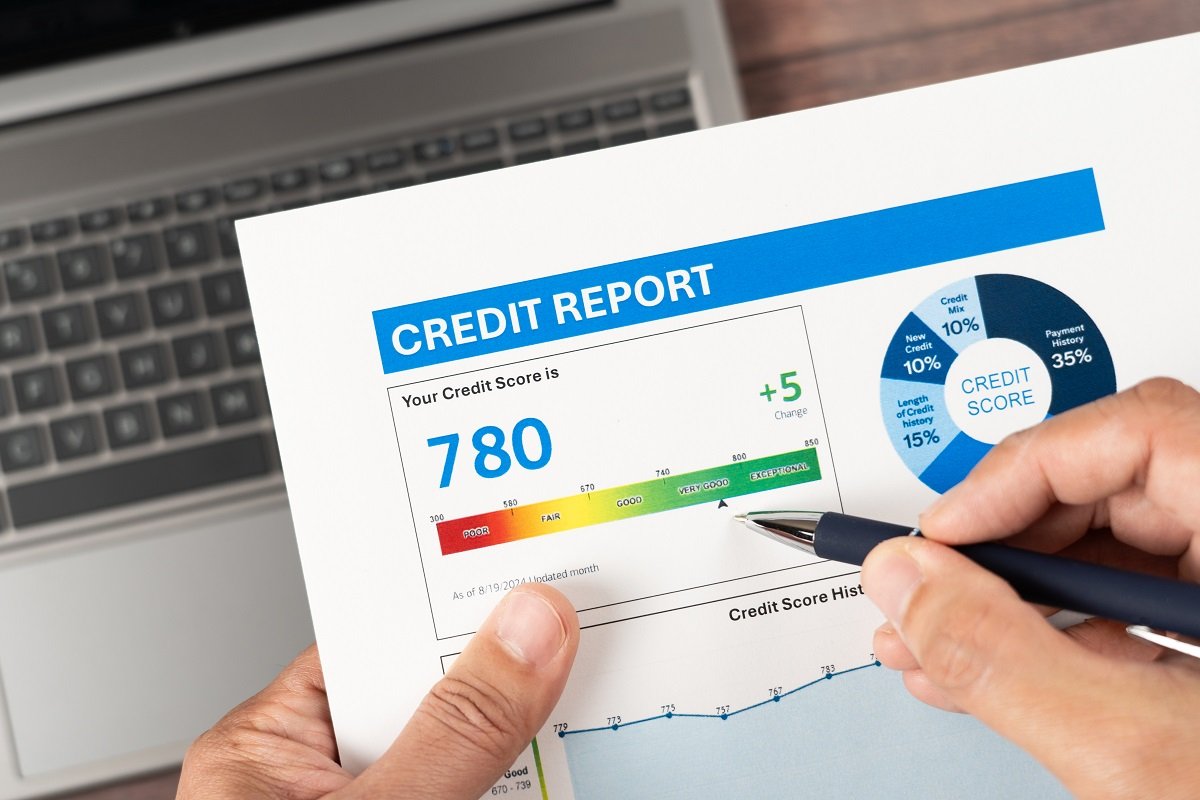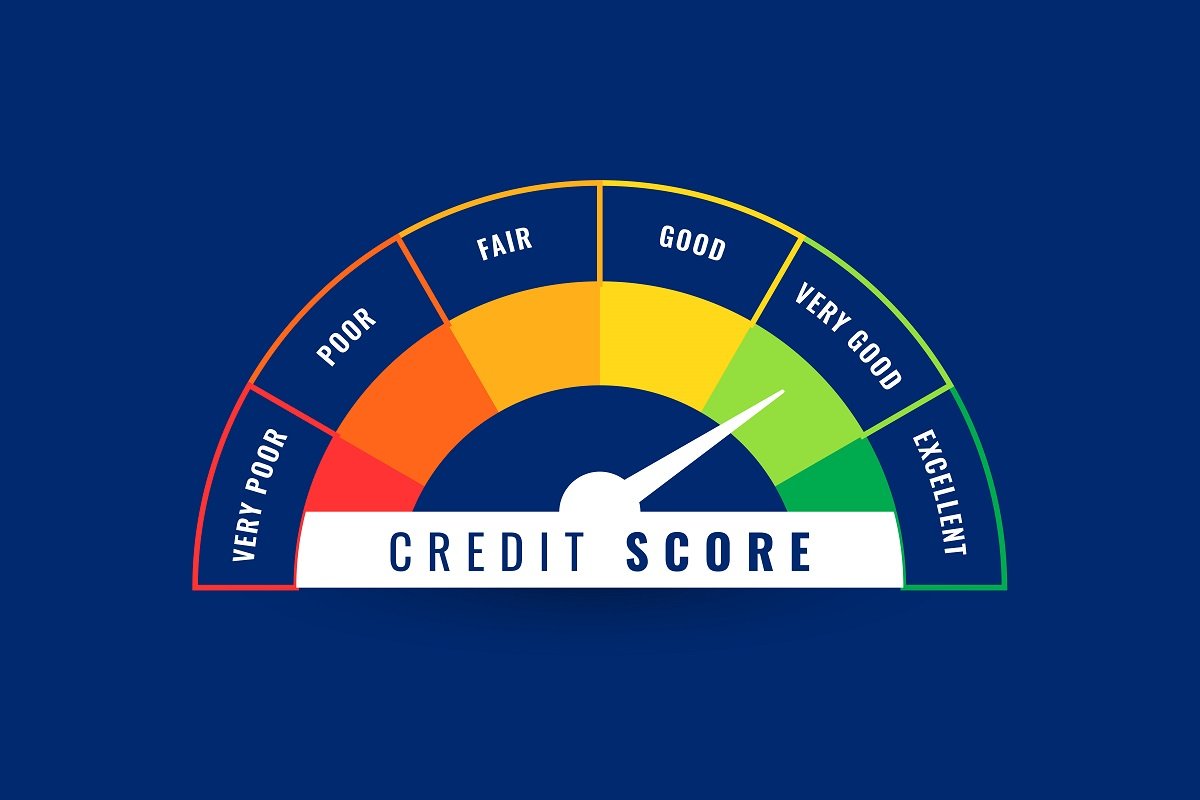



A low credit score can make everyday financial decisions more difficult. You might worry about getting approved for a credit card, qualifying for a loan, or receiving a competitive interest rate.
Perhaps you have missed a few payments. Maybe your credit card balances have grown over time. Or you have checked your credit report and discovered information you did not expect.
Whatever the reason, improving your credit score is possible. It takes patience, consistent financial habits, and a clear plan.
You do not need to pay an expensive company to promise a quick improvement. In many cases, you can start by reviewing your credit report, managing your existing debts, and making payments on time.
This guide explains 10 practical steps you can follow to build a healthier credit profile.
Table of Contents
- 1. Check Your Credit Report Before Making Changes
- 2. Pay Your Bills on Time, Every Time
- 3. Keep Your Credit Card Balances Low
- 4. Avoid Applying for Too Many Credit Cards
- 5. Do Not Close Old Credit Card Accounts Without Considering the Impact
- A Simple Credit Improvement Checklist
- 6. Pay Down Existing Debt Before Taking on More
- 7. Build a Positive Credit History Gradually
- 8. Check Your Credit Report for Errors and Dispute Incorrect Information
- 9. Avoid Closing Multiple Credit Accounts at Once
- 10. Monitor Your Credit Score and Track Your Progress
- Five Common Credit Improvement Mistakes to Avoid
- A Practical Example: Improving Credit Step by Step
- 11. Follow This Simple 30-Day Credit Improvement Plan
- 12. How Long Does It Take to Improve Your Credit Score?
- Frequently Asked Questions About Improving Your Credit Score
- Final Thoughts: Build Better Credit Habits for the Future
1. Check Your Credit Report Before Making Changes
Before trying to improve your credit score, understand what is affecting it.
Your credit report contains information about your borrowing history. It may include credit card accounts, loans, payment records, outstanding balances, and recent credit enquiries.
Start by getting a copy of your credit report from the recognised credit reporting agencies in your country.
Review the report carefully and look for:
- Accounts you do not recognise.
- Incorrect personal information.
- Payments incorrectly marked as late.
- Outstanding balances that do not match your records.
- Accounts that should have been closed.
- The same debt appearing more than once.
- Unfamiliar credit enquiries.
Even a small reporting error could affect how lenders assess your credit history.
If you find incorrect information, contact the credit reporting agency and the lender or company that supplied the information. Follow their official dispute process and provide supporting documents.
Do not assume that every negative entry is an error. Check your statements and payment records before raising a dispute.
2. Pay Your Bills on Time, Every Time
Your payment history is one of the most important factors used by many credit scoring models.
Late payments can make lenders question whether you will repay future borrowing on time.
The best approach is to build a reliable payment routine.
Try these simple habits:
- Write down every payment due date.
- Set reminders on your phone.
- Use automatic payments where appropriate.
- Keep enough money available before payment dates.
- Review your bank statements regularly.
- Contact lenders early if you expect difficulty making a payment.
If you have missed payments in the past, focus on bringing overdue accounts up to date where possible. Then work towards making every future payment on time.

If you cannot afford to pay the full credit card balance, making at least the required minimum payment by the due date can help you avoid another missed payment. However, interest and other charges may continue to apply.
Remember, automatic payments only help when your account has enough money to cover them. Check your balance and payment confirmations.
3. Keep Your Credit Card Balances Low
Your credit utilisation ratio measures how much of your available credit you are using.
For example, imagine your credit card has a limit of $5,000 and your outstanding balance is $2,000.
Your credit utilisation is 40%.
The calculation is:
Credit utilisation = Outstanding credit card balance ÷ Total credit limit × 100
Many experts suggest keeping credit utilisation below 30%. People with very strong credit scores often maintain even lower balances.
However, 30% is a general guideline, not a universal scoring rule. Lower utilisation may help, but the effect depends on the scoring model and your overall credit profile.
Here are some ways to manage your utilisation:
- Pay more than the minimum amount when you can afford it.
- Avoid using your credit card for unnecessary purchases.
- Reduce outstanding balances gradually.
- Consider making payments before the statement closing date.
- Avoid reaching your credit limit.
For example, if your total credit limit is $10,000, keeping your reported balance below $3,000 would mean using less than 30% of your available credit.

You do not need to carry a balance or pay interest to build a positive credit history. Paying your statement balance in full, when possible, can help you avoid interest charges while maintaining responsible credit habits.
4. Avoid Applying for Too Many Credit Cards
Applying for several credit cards or loans within a short period can affect your credit profile.
When you apply for credit, the lender may request a credit check. Depending on your country and the type of enquiry, this may appear on your credit report.
Multiple recent applications can make lenders question whether you are taking on more debt than you can comfortably manage.
Before applying for a new credit card, ask yourself:
- Do I really need another card?
- Can I manage the additional repayment responsibility?
- Have I checked the card’s interest rate and fees?
- Does the card offer a genuine benefit?
- Have I compared other suitable options?
Avoid applying for several cards simply because you receive promotional offers.
Take time to compare products and apply only when there is a clear reason.
5. Do Not Close Old Credit Card Accounts Without Considering the Impact
Closing an old credit card account may seem like a good way to simplify your finances. However, it can sometimes affect your credit score.
For example, closing a card reduces your total available credit. If you continue using other cards, your overall credit utilisation may increase.
Some scoring models also consider the age of credit accounts and the length of your credit history.
Before closing an account, consider:
- Whether the card has an annual or maintenance fee.
- Whether you still need the available credit.
- Whether closing it could increase your credit utilisation.
- Whether the account has a positive payment history.
- Whether you can manage the account safely without unnecessary spending.
Keeping an old account open is not always the best choice. If it has high fees, creates a security concern, or encourages unnecessary spending, closing it may make sense.
Make the decision based on your complete financial situation rather than your credit score alone.
A Simple Credit Improvement Checklist
Use this checklist to start building better credit habits:
- Get a copy of your credit report.
- Check for incorrect or unfamiliar accounts.
- List all payment due dates.
- Set up payment reminders.
- Review your credit card balances.
- Calculate your credit utilisation.
- Avoid unnecessary credit applications.
- Review old credit card accounts before closing them.
Improving your credit score takes time. You may already be paying bills on time and reducing your credit card balances, but there are other habits that can help strengthen your credit profile.
The next five steps focus on managing existing debt, building a healthy credit history, and protecting your financial information.
6. Pay Down Existing Debt Before Taking on More
Having several outstanding debts can make your financial situation harder to manage.
Credit card balances, personal loans, car finance, and other borrowing commitments can affect how lenders assess your ability to repay new debt.
Start by making a list of everything you owe.
Include:
- The name of each lender.
- Your outstanding balance.
- The interest rate.
- The minimum monthly payment.
- The payment due date.
- Any overdue amount.
Once you understand your total debt, create a repayment plan.
Two popular methods can help you organise your repayments.
Debt Avalanche Method
With the debt avalanche method, you focus on the debt with the highest interest rate first.
Continue making the required payments on your other debts. Put any extra money towards the debt charging the highest interest.
After clearing that balance, move to the next highest interest rate.
This method can reduce the total interest you pay over time.
Debt Snowball Method
With the debt snowball method, you focus on the smallest outstanding balance first.
Once you clear that debt, move to the next smallest balance.
This approach can help you stay motivated because you see individual debts disappear.
Both methods can help you organise repayments. Choose the one you can follow consistently.
Paying down debt can improve your overall financial position. It may also help your credit profile, particularly when it reduces credit card utilisation. However, the effect on your score depends on the scoring model and your complete credit history.
7. Build a Positive Credit History Gradually
If you have limited borrowing experience, your credit file may contain little information for lenders to assess.
This does not automatically mean you have a poor credit score. It may mean you have a limited credit history.
Building a positive credit history takes time.
You can start with responsible financial habits such as:
- Using a suitable credit card for planned purchases.
- Making payments by the due date.
- Keeping your outstanding balance manageable.
- Avoiding unnecessary credit applications.
- Reviewing your credit report regularly.
If you are considering your first credit card, compare the interest rate, annual fees, repayment terms, and other charges before applying.
Only borrow what you can comfortably repay.
You do not need to maintain a credit card balance or pay interest to build credit. If possible, pay your statement balance in full by the due date.
Some countries also offer products designed to help people establish credit history. Availability and reporting rules vary, so check whether the provider reports account activity to the relevant credit bureau.
8. Check Your Credit Report for Errors and Dispute Incorrect Information
Your credit score depends partly on the information recorded in your credit report.
Incorrect information can create problems when lenders review your financial history.
For example, imagine you paid a credit card bill on time, but the account was incorrectly reported as late.
If the error remains on your report, it could affect how a lender or scoring model assesses your credit history.
That is why reviewing your credit report matters.
What Should You Check?
Look carefully at:
- Payment dates and payment status.
- Credit card balances.
- Loan account details.
- Closed accounts.
- Duplicate debt records.
- Unfamiliar accounts or credit applications.
- Personal details such as your name and address.
How to Dispute an Error
If you find incorrect information, follow these steps:
- Get a copy of your latest credit report.
- Identify the information you believe is incorrect.
- Collect supporting documents, such as payment receipts or account statements.
- Contact the credit reporting agency through its official dispute process.
- Contact the lender or company that supplied the information if necessary.
- Keep copies of your complaint and supporting documents.
- Review your updated credit report after the investigation.
Credit reporting agencies have different dispute procedures and timelines depending on the country.
Do not pay a company that promises to remove accurate negative information from your credit report. Genuine errors can be challenged, but accurate information generally cannot be removed simply because it affects your score.
9. Avoid Closing Multiple Credit Accounts at Once
Managing too many credit cards can become stressful. You may decide to close accounts that you rarely use.
However, closing several accounts at once may affect your credit profile.
For example, imagine you have three credit cards:
- Card A has a limit of $5,000.
- Card B has a limit of $3,000.
- Card C has a limit of $2,000.
Your total available credit is $10,000.
If you close Card C, your available credit falls to $8,000.
If your outstanding balances remain unchanged, your overall credit utilisation may increase.
Some scoring models also consider the age of your accounts and other credit history details.
Before closing an account, consider the following:
- Does the card charge an annual fee?
- Do you need the available credit?
- Will closing it increase your credit utilisation?
- Does the account have a positive payment history?
- Are you finding it difficult to control your spending?
If a card has expensive fees or encourages unnecessary purchases, closing it may still be the right financial decision.
Your financial wellbeing should come before trying to maintain a particular credit score.
10. Monitor Your Credit Score and Track Your Progress
Improving your credit score is easier when you understand what is happening with your credit profile.
Make a habit of reviewing your credit report and checking your score through reliable sources.
Depending on your country, you may be able to access credit information through credit bureaus, banks, or authorised financial services.
When monitoring your credit, pay attention to:
- Changes in your credit score.
- New accounts appearing on your report.
- Changes in outstanding balances.
- Recent credit enquiries.
- Payment records.
- Incorrect or unfamiliar information.
Avoid checking your score through unknown websites or services that request unnecessary personal information.

Also remember that checking your own credit report or score is generally treated differently from a lender’s application-related credit enquiry. The exact rules depend on the country and reporting system.
Create a Monthly Credit Review Routine
You do not need to spend hours monitoring your credit.
Set aside a little time each month to review your financial activity.
For example:
| Monthly task | What to review |
|---|---|
| Week 1 | Check credit card balances |
| Week 2 | Review upcoming payment dates |
| Week 3 | Track debt repayment progress |
| Week 4 | Review your credit report for changes |
This simple routine can help you identify problems early and stay focused on your financial goals.
Five Common Credit Improvement Mistakes to Avoid
While working to improve your credit score, avoid these mistakes.
1. Paying for Guaranteed Credit Score Improvements
Be careful with companies promising to increase your score by a specific number of points within a few days.
No legitimate company can guarantee a particular credit score result.
2. Applying for Several Credit Cards at Once
Multiple credit applications within a short period may create unnecessary credit enquiries and make your financial situation harder to manage.
3. Ignoring Small Outstanding Balances
Small overdue amounts can still create problems if they remain unpaid or are reported negatively.
Review every account, even if the balance seems insignificant.
4. Carrying a Credit Card Balance to Build Credit
You do not need to pay credit card interest to establish a positive payment history.
Using your card responsibly and paying on time is a better approach.
5. Expecting Immediate Results
Credit score improvements do not happen overnight.
Some changes may appear after updated information reaches the credit reporting agency. Other improvements may take several months or longer.
Stay consistent and avoid making financial decisions based on short-term score changes.
A Practical Example: Improving Credit Step by Step
Imagine someone has two credit cards.
| Credit card | Credit limit | Outstanding balance |
|---|---|---|
| Card A | $4,000 | $2,000 |
| Card B | $6,000 | $3,000 |
| Total | $10,000 | $5,000 |
Their combined credit utilisation is 50%.
They decide to reduce their balances gradually while continuing to make all required payments on time.
After making repayments, their balances become:
| Credit card | Credit limit | New balance |
|---|---|---|
| Card A | $4,000 | $1,200 |
| Card B | $6,000 | $1,800 |
| Total | $10,000 | $3,000 |
Their combined credit utilisation is now 30%.
This change may support a healthier credit profile, although the actual score impact depends on the scoring model and other information in their credit report.
The important lesson is to make realistic repayments, avoid unnecessary borrowing, and maintain consistent payment habits.
You now understand the main habits that can help improve your credit score. You know why payment history matters, how credit utilisation works, and why checking your credit report is important.
But knowing what to do and actually doing it are two different things.
The best way to make progress is to follow a simple plan. You do not need to change your entire financial life in one week. Start with small actions and build better habits over time.
11. Follow This Simple 30-Day Credit Improvement Plan
Use the next 30 days to understand your credit position, organise your payments, and create a realistic debt repayment routine.
Week 1: Understand Your Credit Situation
Your first week should focus on reviewing your current credit profile.
Complete these tasks:
- Get a copy of your credit report.
- Check your credit score through a reliable provider.
- Review all active credit card and loan accounts.
- Look for incorrect information or unfamiliar accounts.
- List your outstanding balances and interest rates.
- Write down every upcoming payment date.
Do not rush to fix everything immediately.
First, understand where you stand. A clear picture of your financial situation will help you make better decisions.
Week 2: Organise Your Monthly Payments
Your second week should focus on preventing missed payments.
Try these actions:
- Create a list of all monthly payment dates.
- Set reminders on your phone or calendar.
- Consider automatic payments for at least the required minimum amount.
- Check that your bank account has enough money before payments are processed.
- Contact lenders if you are struggling with repayments.
- Avoid taking on unnecessary new credit.
If you have missed payments, check which accounts are overdue and ask your lender about available repayment arrangements.
Taking action early may help prevent the situation from becoming more difficult.
Week 3: Start Reducing Credit Card Balances
Now focus on your outstanding credit card debt.
Calculate your total credit utilisation and decide how much extra you can realistically pay towards your balances.
For example:
Suppose you have a total credit card limit of $8,000 and outstanding balances of $4,000.
Your current credit utilisation is 50%.
If you reduce your combined balances to $3,200, your utilisation falls to 40%.
You can continue reducing the balance as your budget allows.
Remember these points:
- Pay at least the required minimum by the due date.
- Pay extra when your budget allows.
- Avoid unnecessary credit card purchases.
- Choose a debt repayment strategy.
- Keep enough money for essential expenses.
Do not put every available dollar towards debt if it leaves you unable to pay for basic needs or unexpected expenses.
Week 4: Review Your Progress and Build a Routine
Your final week should focus on reviewing what you have achieved.
Ask yourself:
- Have I paid all my bills on time?
- Have I reduced any outstanding balances?
- Did I identify errors in my credit report?
- Have I avoided unnecessary credit applications?
- Am I following a realistic monthly budget?
- What financial habit should I improve next month?
You may not see a major change in your credit score within 30 days. That is normal.
Some improvements take longer because lenders and credit reporting agencies need time to update account information.
Your goal is to establish habits that support a healthier credit profile over the long term.
12. How Long Does It Take to Improve Your Credit Score?
There is no fixed timeline for improving a credit score.
The time required depends on your current credit history, the reason your score is low, the information reported by lenders, and the scoring model being used.
Here are some general examples.
If You Have High Credit Card Balances
Reducing your outstanding balances may help your credit utilisation. A scoring model may reflect updated balances once the relevant information reaches the credit bureau.
If You Have Missed Payments
Recent missed payments may remain part of your credit history for a period determined by local reporting rules.
Making future payments on time can help establish a better payment pattern, but accurate negative records do not disappear immediately.
If You Have Errors on Your Credit Report
Correcting an error may help if that information was negatively affecting your credit profile.
The time required depends on the credit bureau’s investigation and dispute process.
If You Have Limited Credit History
Building a positive credit history generally takes time. Responsible account management and consistent payments can help you establish a stronger record.
The most important thing is to focus on the actions you can control instead of expecting an immediate score increase.
Frequently Asked Questions About Improving Your Credit Score
1. What Is the Fastest Way to Improve Your Credit Score?
Start by checking your credit report, correcting genuine errors, making overdue payments where possible, and reducing high credit card balances.
These actions may help address factors affecting your score. However, no method guarantees an immediate improvement.
2. Can I Improve My Credit Score in 30 Days?
You can take meaningful steps within 30 days, such as reducing outstanding balances, organising payment reminders, and correcting reporting errors.
Whether your score changes within that period depends on when account information is updated and how the scoring model evaluates it.
3. Does Paying Off a Credit Card Improve Your Credit Score?
Paying down a credit card balance can reduce your credit utilisation. This may support a better credit score.
However, the result depends on other information in your credit history and the scoring model used.
4. Does Checking My Own Credit Score Lower It?
In many credit reporting systems, checking your own credit score is treated as a soft enquiry and does not lower your score.
However, rules and reporting practices vary by country. Check how your credit provider handles personal enquiries.
5. Should I Close a Credit Card With a Zero Balance?
Not necessarily.
Closing a card may reduce your available credit and affect your overall credit utilisation. It may also influence other parts of your credit profile.
Consider annual fees, account security, spending habits, and your overall financial situation before making a decision.
6. Can I Improve My Credit Score Without a Credit Card?
Yes. Depending on your country, certain loans and other eligible credit accounts may help establish a credit history when reported to credit bureaus.
You should never borrow money simply to create a credit record. Choose financial products only when they serve a genuine need and you can afford the repayments.
7. Do I Need to Carry a Credit Card Balance to Build Credit?
No. You do not need to carry a balance or pay interest to build a positive credit history.
Using a credit card responsibly and paying the statement balance in full by the due date can help you avoid interest charges.
8. Can a Credit Repair Company Remove Negative Information?
A credit repair company cannot guarantee the removal of accurate negative information.
You can dispute incorrect information through the appropriate credit reporting agency. Be careful with companies that promise guaranteed results or demand large upfront payments.
9. Does My Income Affect My Credit Score?
Income is generally not a direct factor in many credit scoring models.
However, lenders may review your income, employment, existing debts, and affordability when assessing a credit application.
10. Why Is My Credit Score Different Across Credit Bureaus?
Credit reporting agencies may hold different information about your accounts. They may also use different scoring models and calculation methods.
As a result, your scores may not match exactly.
Focus on keeping your credit records accurate and maintaining responsible financial habits.
Final Thoughts: Build Better Credit Habits for the Future
Improving your credit score is a gradual process. It requires patience, planning, and consistent financial decisions.
You do not need expensive credit repair services or complicated strategies to get started.
Focus on these essential habits:
- Pay your bills on time.
- Keep credit card balances manageable.
- Reduce outstanding debt.
- Avoid unnecessary credit applications.
- Review your credit report regularly.
- Dispute genuine reporting errors.
- Borrow only when you can afford to repay.
- Track your financial progress.
A stronger credit profile can give you more financial options when you need to borrow money. It may also help you access more competitive borrowing terms, depending on the lender and your circumstances.
Most importantly, remember that your credit score is only one part of your financial health. Your savings, income, spending habits, debt levels, and financial goals matter too.
Start with one positive change today. Stay consistent, review your progress, and keep building better money habits.
Your future financial decisions can benefit from the work you put in now.